
Oysters, wine, and history all in one stretch. I like how this day strings together Ston’s medieval salt defense, a Peljesac family winery, and the oyster growing grounds of Mali Ston Bay without feeling rushed. The best part is the small group size (limited to 8), so the guide can actually slow down and explain. One thing to watch: the tasting parts are partly optional, so you should budget extra on the spot.
What makes it especially appealing is the farm setup. You learn how oysters and mussels are grown, then you get to taste, often paired with wine, local spirits, and sweet bites. If you are coming during off season or big holidays like Easter and Christmas, you also need to be flexible, since the boat portion may not run.
Key highlights to look forward to
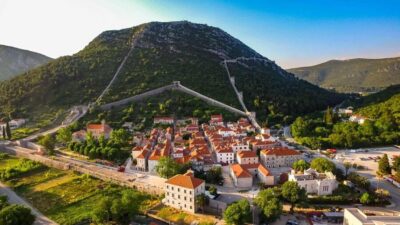
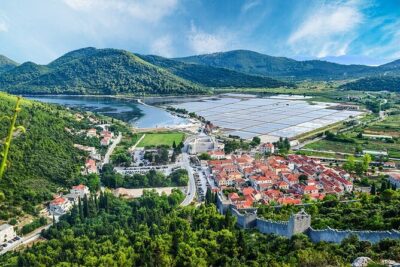
- Ston City Walls: a 5.5 km long 14th-century wall tied to salt production
- Peljesac winery visit: family-guided cellars and vineyard talk, plus optional tasting
- Mali Ston Bay oyster farming: learn production methods and see how the sea-to-farm system works
- Small group feel: limited to 8 participants with an English-speaking guide
- Local pairing with food: cheese, olive oil, and optional oyster and mussel tasting bundles
Deeper into the Pelješac vineyards and Ston oyster beds
- Ston private walking tour with the walls and saltworks visit★ 5.0 · 4 reviews
- Ston: Private White Gold Tour With a Wall Climb★ 5.0 · 4 reviews
- Wine tasting on Peninsula Pelješac wine tour from Dubrovnik★ 3.3 · 3 reviews
A half-day that pulls you out of Dubrovnik and into Peljesac oyster country
This is a true change-of-scene tour. You start in Dubrovnik, then head down the Dubrovnik Riviera toward Ston and the Peljesac Peninsula. With an air-conditioned vehicle and a small group limited to 8, the ride feels more like a shared outing than a cattle call.
The schedule is built around three main stops, totaling about 6 hours. Plan for a full, active day where you are up and out, then seated again for the drive between regions. It is also the kind of outing that makes sense if you want more than just a single photo stop, but you do not want a full private driver day either.
If you are travel-planning, do not treat this as a strict timeline the way you would with a museum. Some parts depend on operations, especially the boat element connected to the oyster farm.
Ston City Walls and the salt-production wall you can still feel
Stop one is Ston City Walls, where the tour focuses on the wall’s purpose. This is a 5.5 km-long wall built in the 14th century to protect salt production. In other words, this is not just a scenic walk. It is a story about why this coastline mattered.
The wall is also famous for scale, described as the second-largest in the world after the Great Wall of China. Whether you care about world records or not, what I like about this stop is the logic. Salt was power, salt financed control, and the wall was built to keep that supply secure.
You get about 1 hour here. That is a good amount of time to:
- walk a stretch and take in the views,
- look at how the fortifications sit with the terrain, and
- get context for the rest of the day, since Ston and nearby Mali Ston Bay are linked by salt and coastal food culture.
Comfort tip: wear shoes you are happy to walk in. The wall route is not described as wheelchair-friendly, and the tour overall is not marked as suitable for wheelchair users.
Peljesac Peninsula winery visit: vineyards, cellars, and optional tasting with olive oil
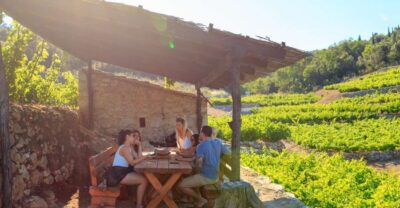
Next you head into the Peljesac Peninsula area, the big-name wine region tied to this part of the Adriatic. The tour includes a visit to a famous Peljesac winery, guided by family members who show you their wine cellars and explain the basics of wine production.
You will have time here for wine and local pairings. The schedule information is slightly different depending on how the stop is described, but it is roughly 1 to 2 hours at the winery area. So expect a real tasting window, not a quick walk-through.
Here is the key value detail: the winery visit is included, but the tasting costs extra. If you want the wine tasting, it is 15 euros per person on the spot. The tasting is described as paired with a plate that may include cheese and locally produced olive oil, with options such as prosciutto or sardines and anchovies.
How to decide fast: if you are a wine drinker, this is usually the easiest add-on to justify, because it is planned into the stop and paired with food. If you are not, you can still enjoy the cellar and production talk, just skip paying for the tasting.
Also, ask the guide what to look for. The best wineries here are not just selling wine. They are explaining farming and process, and that is what makes the talk useful later when you are comparing wines across Croatia.
Hodilje village and the oyster farm: learning oyster growing, then tasting
The centerpiece for most people is the oyster portion, starting around Hodilje village near Mali Ston. You are welcomed by local family members who tell stories about the bay and why it is often referred to as the oyster world of Croatia, with Mali Ston oysters considered especially tasty.
Before you reach the farm, the experience includes a boat ride straight to the oyster’s farm. That part matters because it connects the theory of farming to the actual setup out on the water. You also get the hands-on explanation: you learn how oysters and mussels are grown and how production works.
Then comes tasting. The tour describes tasting oysters and mussels paired with wine, domestic spirits, and traditional local sweets as part of the oyster farm experience. But there are optional costs tied to how you want to do it.
What you should plan for:
- Oyster farm experience includes access to the farm experience, but boat ride and oyster tasting are not included by default.
- There can be an extra 1 euro per oyster if you choose to do oyster tasting and related add-ons.
- The full tasting bundle connected to the boat is listed as 35 euros per person, covering oysters, mussels, olive oil, local sweets, and liqueurs on the boat.
Think of it like this: the tour gets you to the right place and explains the process. The tasting menu is where you choose how much you want to pay. If you want a classic food-focused day, budget for the oyster tasting bundle. If you mainly want the education and a smaller sample, you can keep the extras lighter.
Guide Ivan and why a small group can change the day
This is where the experience earns its good reputation. One guide named Ivan is described as experienced and professional, sharing historical context and key facts in a way that makes the regions feel connected, not random. That matters because Ston, salt walls, Peljesac wine, and Mali Ston oysters all fit together as one coastline story.
Another practical plus with a guide like this is flexibility. In at least one case, the day was adjusted with another winery in Bosnia, with a stop that included a cave spring, an old watch tower town, and a route that also touched Mostar. That kind of detour is not guaranteed on every date, but it signals that the guide is not just reading a script. The focus stays on keeping your time productive.
Still, I would keep one realistic caution in mind. The data includes a case of a missed pickup on Easter Sunday, which is exactly the kind of high-demand day where last-minute scheduling and communication can go sideways. The solution is simple: confirm pickup details well before the tour time and stay reachable.
Value math: what your $182 likely covers, and what costs extra on the spot
At $182 per person, you are paying for the structure of the day: transport in an air-conditioned vehicle, an English-speaking guide, and included visits that give context at Ston and the Peljesac winery. The oyster farm experience also comes with the guided portion and the farm-day setup, but several tasting elements are explicitly listed as extra.
Here is the clean way to think about it:
Included in the base price
- air-conditioned vehicle
- tour guide in English
- visit to the Medieval Town of Ston and the walls
- winery visit with guidance (wine tasting is optional, not included)
- drive to the oyster farm experience area, with tastings only if you choose extras
Common add-ons (paid on the spot)
- winery wine tasting: 15 euros per person
- oyster tasting and/or boat ride: boat ride is not included, oyster tasting can cost 1 euro per oyster if you choose it
- boat-side tasting bundle: 35 euros per person for oysters, mussels, olive oil, local sweets, and liqueurs
A quick budget example helps you avoid surprises. If you do the winery tasting (15) and the full boat-side tasting bundle (35), you are adding 50 euros per person on top of the tour price. And if you want extra oysters at a separate per-oyster cost, that could add more.
The reason this is still good value: the places are real food and production stops, not just scenery. You are paying for access, local knowledge, and guided learning that you might otherwise miss if you simply drove yourself.
When this tour makes the most sense for you
This tour fits best if you are:
- a food person who likes the story behind what you eat,
- the kind of traveler who enjoys history without needing a full walking tour marathon,
- visiting Dubrovnik and wanting a day outside the city that still feels Croatian and local,
- traveling with a small group (maximum 8) and prefer a guide who can explain instead of rushing.
It is not described as wheelchair-friendly. If mobility is a factor, you may want to look for a different format or ask what portions are easiest to access.
Also, keep your plans flexible for timing issues around boat operations. The tour notes that in off season the tour could be canceled if the boat ride is not running, and on holidays like Easter and Christmas operations may be affected. That does not mean it will be canceled every time, but it is a real variable in the oyster portion.
Should you book the Dubrovnik oysters and wine tour?
I would book it if you want a structured day that covers Ston, Peljesac, and Mali Ston Bay food culture in one go. The small group size, the production-focused storytelling, and the chance to connect oysters to the sea farming methods are strong reasons to choose it.
Skip it or adjust your expectations if you only want included tastings with no extra spending. A big part of the memorable part of the day is tasting, and tasting has listed add-on fees. If you are comfortable treating those fees as part of the experience, you are likely to feel like you got your money’s worth.
One last practical tip: message the operator to confirm your Dubrovnik pickup place and timing. If the day is impacted by boat schedules, being proactive helps.
If you want to combine medieval coastal history with a proper seafood-and-wine day trip, this tour is a solid bet.
FAQ
How long is the oysters and wine tour from Dubrovnik?
The tour duration is listed as 6 hours.
Are there different starting times?
Yes. Starting times depend on availability, so you need to check what times are offered for your date.
How big is the group?
The tour is a small group limited to 8 participants.
Is pickup included in Dubrovnik?
Yes. Pickup is included at locations in Dubrovnik. The tour notes that you should contact them to confirm the pickup place and time.
Is wine tasting at the Peljesac winery included?
Wine tasting is not included. If you want it, there is an extra charge of 15 euros per person paid on the spot.
Is the boat ride to the oyster farm included?
No. The oyster farm experience description says the boat ride is not included. There can be extra costs if you choose the boat ride and oyster tasting.
What is the cost for oysters, mussels, olive oil, and sweets on the boat?
That boat tasting bundle is listed as 35 euros per person, paid on the spot.
What is the cancellation policy?
Free cancellation is available up to 24 hours in advance for a full refund.
Is this tour suitable for wheelchair users?
No. The tour is not suitable for wheelchair users.
More Tours in Ston
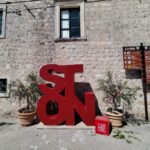
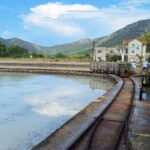
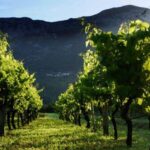
More of the Pelješac Wine Coast
More Tour Reviews in Ston
Fresh on the Ston shortlist
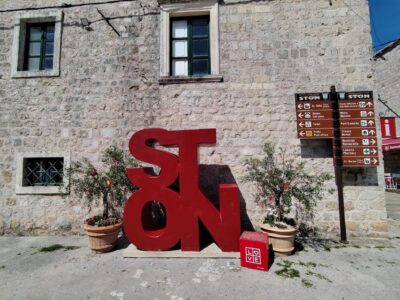
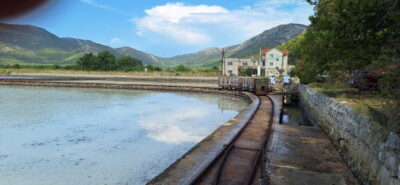
Korčula & Pelješac Wine Tours, compared.
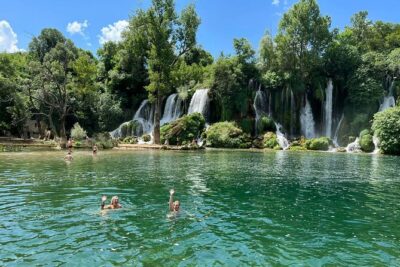 ★ 4.5Explore Mostar, Ston and Kravice Waterfalls ( Small Group )From $143166 reviews
 ★ 5.0Wine Lover’s Tour of Peljesac PeninsulaFrom $181150 reviews
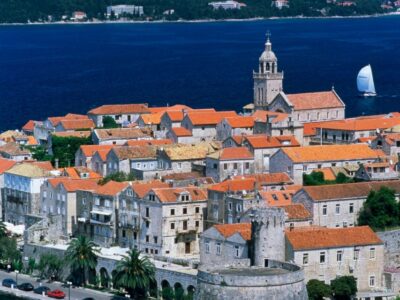 ★ 4.3Peljesac Peninsula & Korcula Island Day-Trip from DubrovnikFrom $81135 reviews
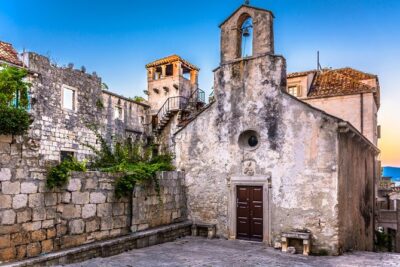 ★ 4.0Ston and Korcula Island Day Trip from Dubrovnik with Wine TastingFrom $82130 reviews
 ★ 5.0Oyster, Mussles, and Wine Tasting Tour in StonFrom $17677 reviews
 ★ 5.0Oysters & Wine Tour From Dubrovnik (Small Group)From $26674 reviews
 ★ 5.0Pelješac Full-Day Wine and Food Tour from DubrovnikFrom $25972 reviews
 ★ 5.0Croatia Luxury Villa and Yacht Combo Package on Korcula IslandFrom $5,80567 reviews
Browse the lists this tour appears in