
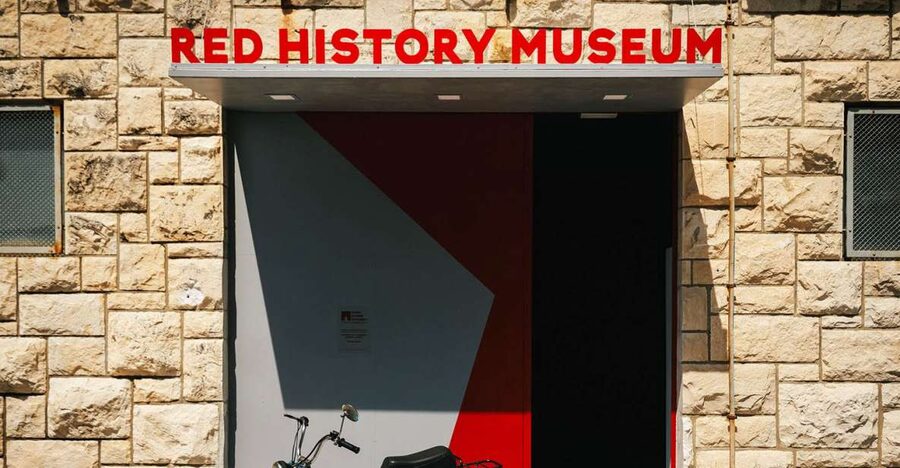
Tour review · HISTORICAL TOURS
Dubrovnik: Red History Museum Regular Ticket
Communist life, inside Dubrovnik port warehouses. The Red History Museum gives you a rare, hands-on window into Yugoslav everyday life, politics, and pop culture, all in one visit. It is the kind of stop that makes today’s Croatia feel a lot less mysterious.
I especially love how much it uses interactive exhibits instead of long text walls. The museum layout mixes politics, design, and daily routines, so you can learn without feeling lectured. I also like the pop-culture touches, like the Yugo 45 photo moment and the communist-style snacks and drinks.
One thing to consider: the museum is small, so it works best if you genuinely enjoy recent history and personal stories. If you are only looking for big, sweeping attractions, you might feel it is too focused and compact.
Key highlights you will remember
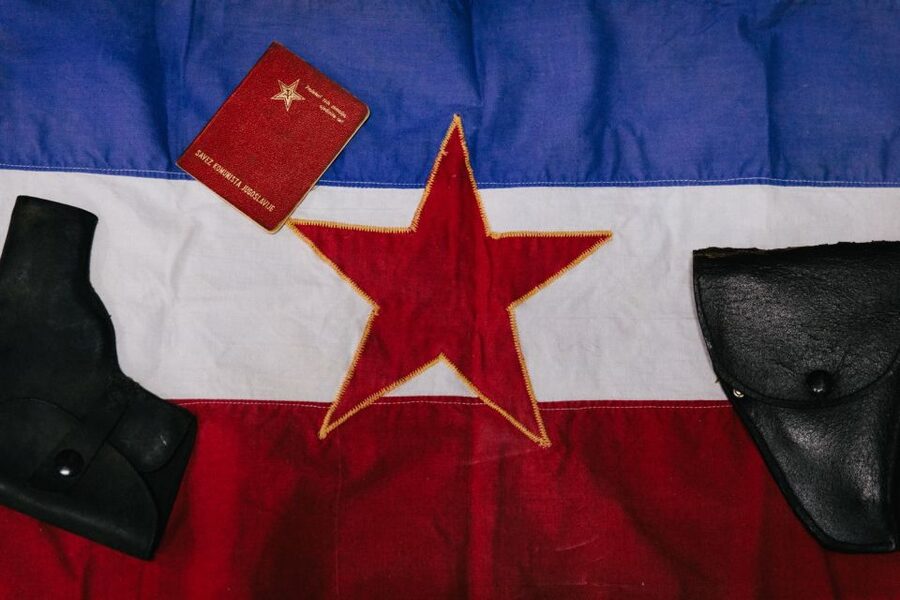
Interactive communist-era rooms: You get to experience the period through hands-on displays, not just reading panels.
The Yugo 45 photo moment: Pose with the famous car that people still talk about.
Parallel-universe pop culture: Expect communist versions of popular drinks like Coca Cola and Fanta.
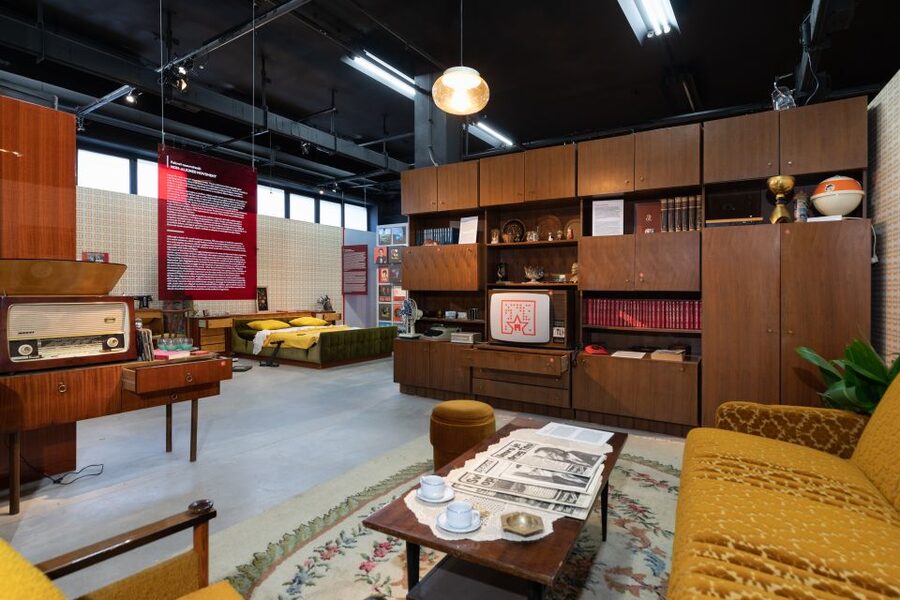
Old furniture and house reconstruction: It helps you picture how people lived, down to the design details.
Goli Otok and secret-agency context: The museum connects personal life to the wider system.
Staff explanations, including Viktor: If you have questions, you may find staff who are happy to explain clearly.
A few more Dubrovnik trips to round out the shortlist
- Dubrovnik City Walls Admission Ticket★ 3.5 · 238 reviews
- Dubrovnik: Red History Museum Regular Ticket★ 4.6 · 134 reviews
- Explore Dubrovnik by Cable Car (ticket included)★ 4.5 · 109 reviews
- Dubrovnik Shore Excursion: Explore Dubrovnik by Cable Car (ticket included)★ 4.5 · 109 reviews
Why the Red History Museum is worth a spot in Dubrovnik
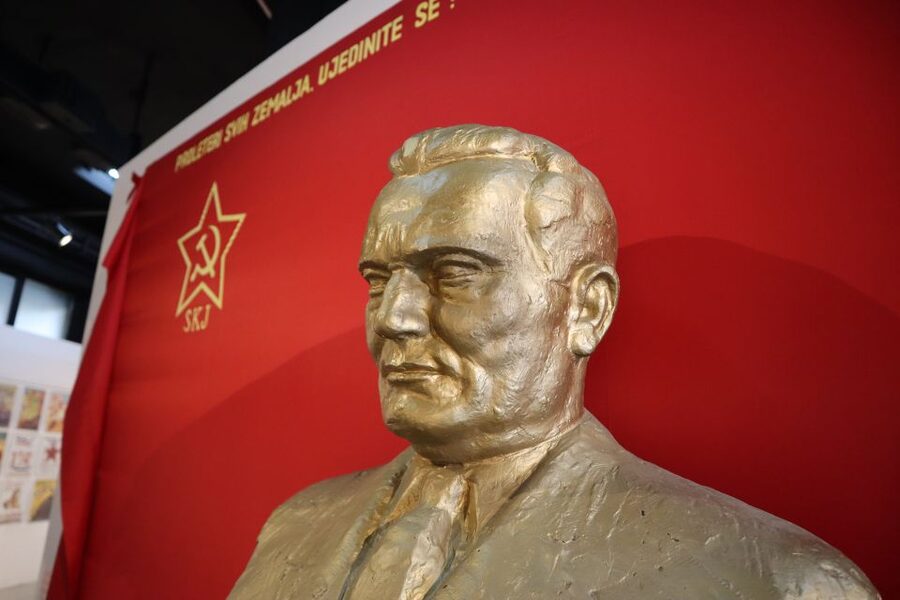
Dubrovnik is famous for medieval stone and fortress views. The Red History Museum takes you somewhere totally different, into the decades most visitors only partially understand. It focuses on Croatia’s recent communist history, and that matters because the choices people made then still echo in the way the region talks about identity, work, and politics now.
What I like most is the museum’s tone. It is not trying to win an argument. It is trying to show you what daily life could feel like under the watchful eye of a Communist party, and how art, design, and propaganda shaped ordinary routines. In a city built for outward display, it is a fascinating contrast.
Another plus is the structure of the experience. You are not pushed through one “correct” story. Instead, the museum builds a series of connected rooms and themes, with enough variety that you can follow what interests you most. If you enjoy people-based history, you will likely find it more human than standard museum stops.
The T.U.P. factory complex setting (built in 1953)
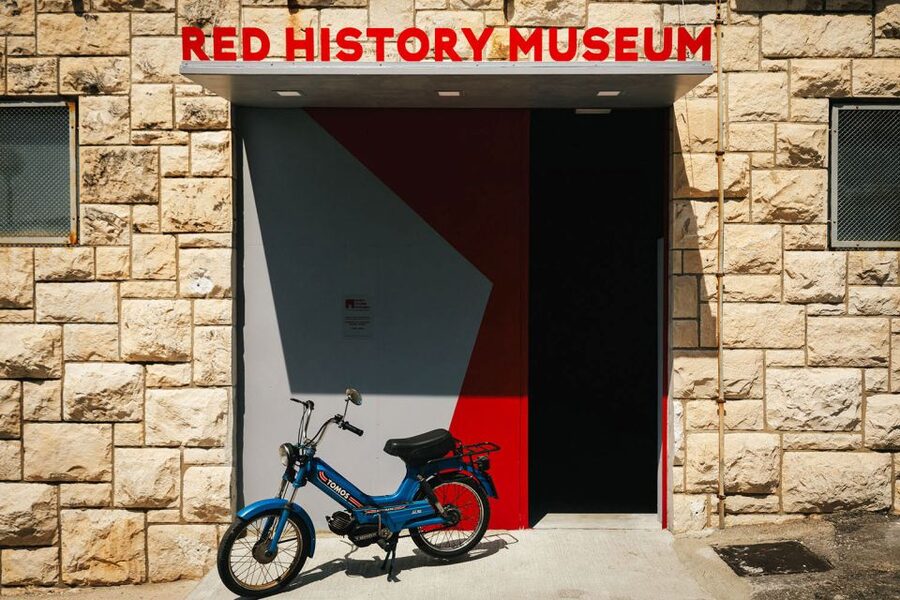
This museum does not live in a decorative palace. It is in the last factory complex in Dubrovnik, called T.U.P., built in 1953, located in the port area. That setting alone changes the vibe. You are literally walking through a place tied to production and industry, which fits the museum’s focus on labor, systems, and everyday structures.
The museum uses both newer and older technologies in its displays. That mix is practical. It helps you connect eras without feeling like you are stuck in one style of presentation. And it reinforces the idea that this is not just about slogans, it is about how real institutions worked, how information spread, and how people experienced the state in daily life.
If you like your history grounded in real physical spaces, you will probably appreciate the factory backdrop. If you prefer museums in quiet, white-cube rooms, this industrial environment may feel more intense. Either way, it sets up the story quickly.
How the exhibits translate communist life into something you can feel
The museum is designed as an interactive experience, described as a window into life under communist rule. The big themes include art and design, politics, secret agencies, and the way of the Non-Aligned. That word list matters because it signals the museum’s range. It is not only about party leadership or big speeches. It reaches into style, design choices, and the cultural signals people saw every day.
Here is what that means for you in the rooms:
- You will encounter stories tied to the Yugoslav regime and how it shaped daily life.
- You will see the period presented through objects and reconstructions, not just timelines.
- You will likely notice that the museum connects personal life to power structures, especially under systems of surveillance.
The museum also leans into sound and theme. You should expect to hear the greatest hits of the time. That sort of detail is more than decoration. Music and pop culture are how regimes try to normalize a world. Hearing it in a museum setting helps you understand how everyday entertainment could operate alongside political pressure.
A personal-life approach shows up again in the house reconstruction. One of the strongest impressions is the way the room feels lived-in, helped by old furniture and design elements. When the details are right, you start thinking in terms of routines: where people sat, what they saw, and how the space guided behavior.
The house reconstruction, old furniture, and the Yugo 45 photo spot
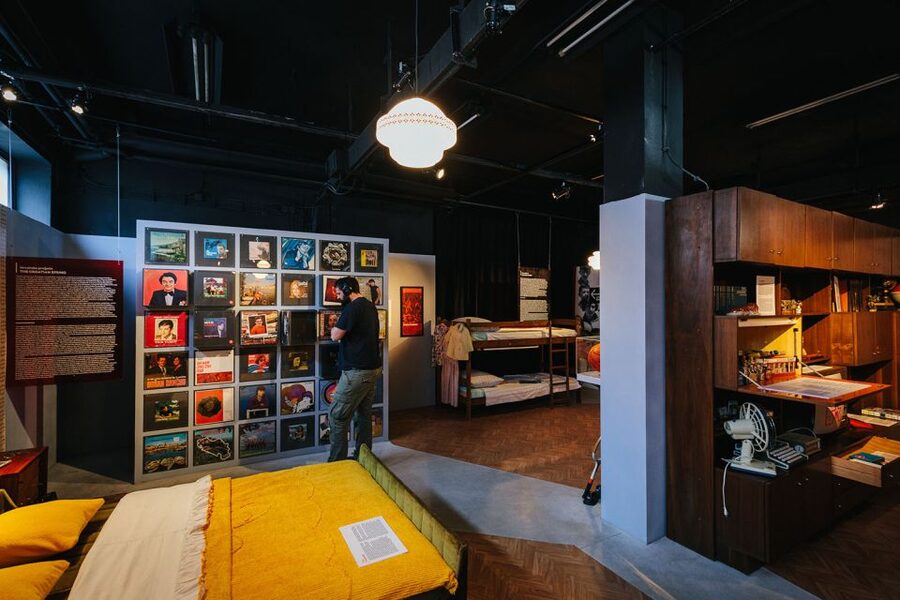
If you want a quick “I get it” moment, the museum provides one. The reconstruction of a house lets you step into a more familiar domestic setting while still experiencing the aesthetic and expectations of the era. Multiple visitors liked the feeling this creates, especially the sense that you are walking through a believable version of life rather than staring at artifacts behind glass.
Then comes one of the most memorable highlights: the Yugo 45 photo moment. It is presented as the worst car ever, the famous Yugo that people still associate with Yugoslav industrial reality. For many people, this is where history becomes fun. It is visual, it is recognizable, and it gives you an easy thing to do with friends.
That photo stop is not just about the car. It symbolizes the mismatch between the ideals people were promised and the reality people lived with. When a museum lets you take a silly or goofy picture in a meaningful context, you remember it longer than if you just read about it.
A few more Dubrovnik trips to round out the shortlist
- Game of Thrones & History of Dubrovnik Tour
★ 5.0 · 628 reviews - Dubrovnik: Old Town History Walking Tour
★ 4.9 · 474 reviews - Early Bird Dubrovnik History Tour – 7:30 Start
★ 5.0 · 198 reviews - Dubrovnik: Red History Museum Regular Ticket
★ 4.6 · 134 reviews - Dubrovnik Jewish Heritage Private Walking Tour
★ 5.0 · 121 reviews
Politics, Non-Aligned ideas, and Goli Otok behind the curtains
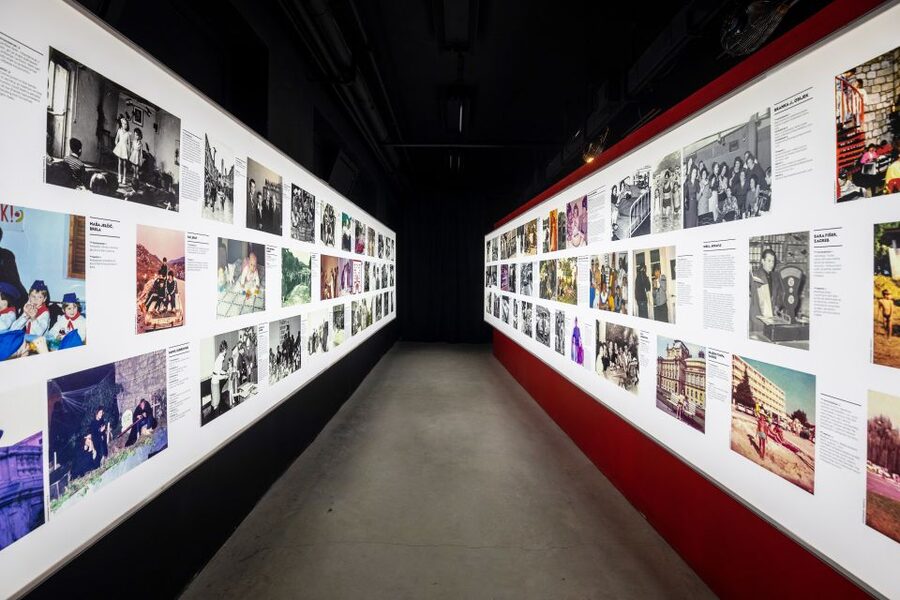
One of the most important parts of this museum is how it handles the darker side of the system. The Goli Otok story comes up clearly. Goli Otok is discussed as part of the experience, and it is presented as an open atmosphere with information that helps explain why the place matters in the wider narrative.
You also get context on the Non-Aligned, which is crucial for understanding Yugoslavia’s position during the Cold War era. If you have ever wondered why the region did not just fit into a simple East versus West box, this is exactly the kind of museum that helps you connect those dots. Even if you are not a history nerd, the way the museum links politics to daily experiences makes it easier to grasp.
Another theme is secret agencies and the way the state operated. The museum uses “watchful eye” language to describe how control could show up in everyday life. That is the kind of framing that makes you think differently about ordinary items and routines you might otherwise treat as neutral.
As for “both sides,” one reconstruction or room can carry a single tone, but the overall experience is set up to show more than one perspective on socialist times. That balance is valuable. It keeps the museum from turning into propaganda-only storytelling, and it respects that people’s experiences varied.
Communist pop culture: parallel-universe drinks and candy
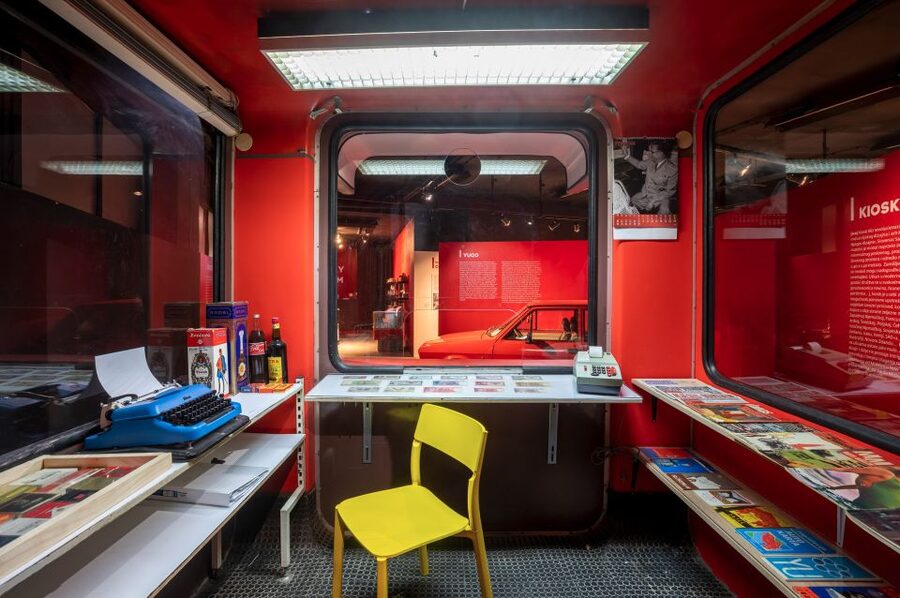
The museum does something clever with pop culture. It does not treat communist-era life as gray and joyless. Instead, it includes playful details that reveal how state life coexisted with consumer culture, even when products differed from what people wanted.
Expect communist versions of Coca Cola or Fanta, plus popular candies and drinks of the time. If you are thinking, wait, why would a history museum include soda, that is exactly the right question. Those items show you how everyday cravings got translated into what was available, permitted, or produced. They reveal the difference between advertising and reality.
This is also where the museum becomes a practical learning tool. You can remember an exhibit better when it is tied to something sensory, like packaging and taste-related references. When the museum lets you react to pop-culture equivalents, it turns abstract systems into something you can visualize.
And yes, it is fun. Not in a theme-park way. In a human way. It lets you stand in the museum and realize people living then still had favorite brands, just in a different universe.
Staff support and the interactive tech reality check
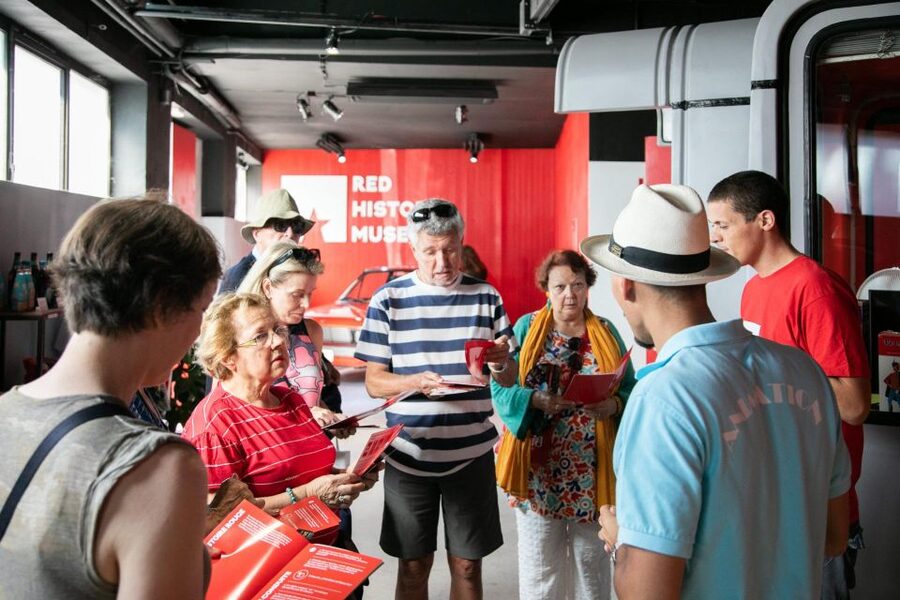
Interactive museums can be hit or miss. This one mostly lands, and you can feel it in the flow. Visitors praised enough interactive bits to keep the information from becoming burdensome, which is a real risk in museums that combine politics, design, and personal stories.
That said, there is one practical consideration. Some interactive elements use virtual scanned images placed around the museum. One visitor reported that the scans did not show anything for them, and that further instructions on how to use the scanned images would have helped. If you rely on tech to explain key points, bring patience, try scanning more than once, and if you get stuck, ask staff on site.
I also want to flag the staff angle. In at least one case, a staff member named Viktor was described as very informative. That matters because interactive exhibits sometimes need human interpretation. If you want the story explained clearly, do not hesitate to ask questions.
Price and value: about $11 for regular entry
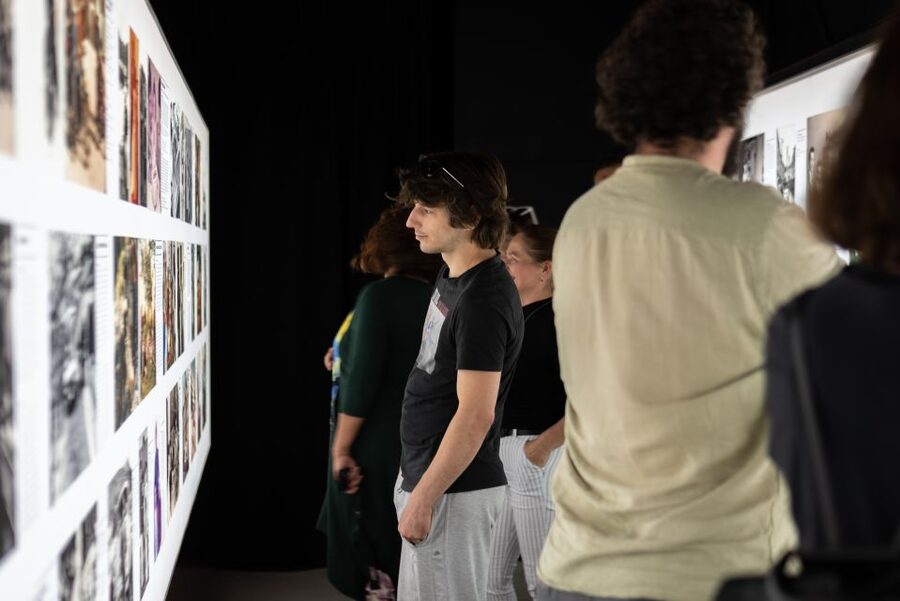
At about $11 per person, this ticket price feels fair for the kind of experience it provides. You are not just buying access to a room with static displays. You are paying for an interactive, themed walkthrough that covers multiple topics, including politics, daily life, design, and a few of the most recognizable cultural objects of the era.
Value comes down to one question: does it match what you want from Dubrovnik? If your ideal day is exploring the Old Town walls and then grabbing dinner, this museum might feel niche. But if you want a deeper understanding of the country’s past and why it influences the present, this is a strong use of money.
Also, the museum’s small size can be a value advantage. You can cover it without losing a huge chunk of your day, as long as you keep your pace steady and leave time to interact with exhibits and take a few photos.
Who this museum fits best (and who should think twice)
This is a great match if you:
- Like recent history that explains modern life choices.
- Enjoy interactive museums where you can touch the story through objects and reconstructions.
- Care about human-scale details, like how design and household items shape daily routines.
It may be less satisfying if you:
- Want only centuries-old, postcard-style attractions.
- Prefer purely outdoor sights and broad panoramic views.
- Dislike museum experiences that connect personal life with political systems.
Because the museum focuses on communist-era experience and Yugoslav context, your interest in that period will shape how rewarding it feels. The best approach is to come with curiosity, not just a checklist.
How to pace your visit so it feels engaging, not rushed
The museum is described as small, but that does not mean it should be rushed. The strength is in the combination of reconstructions, interactive components, and thematic rooms. If you speed through, you will miss the links between topics, like how pop culture sits next to politics, or how surveillance context relates to everyday spaces.
A simple strategy: treat it like multiple short stops inside one ticket. Take time at the house reconstruction, then slow down for the tech or scan-based parts. Finally, spend a moment on the photo and pop-culture sections, since they are easier to enjoy when you are not overwhelmed.
Also, you can get the most out of the museum by being mentally flexible. You are learning through different formats: design, politics, sound, and objects. If you let each format do its job, the story comes together more naturally.
Should you book the Red History Museum ticket?
You should book if you want an unusual, interactive way to understand Croatia beyond the usual fortress-and-sunset story. For around $11, you get a compact museum experience that connects Yugoslav communist life to art, design, politics, and recognizable pop-culture references like the Yugo 45 and communist-style Coca Cola and Fanta.
Skip it or think carefully if communist-era history is not your thing, or if you want only large-scale attractions that eat up a whole day. This museum is focused and compact, so it rewards interest and curiosity.
If you do book, plan to slow down for the interactive parts and the house reconstruction. Those elements are where the museum does its best work, turning history into something you can actually picture.
FAQ
How much is the Red History Museum ticket?
The price is listed as about $11 per person for the regular entry ticket.
Where is the Red History Museum located in Dubrovnik?
It is in the port area of Dubrovnik, inside the last factory complex called T.U.P., built in 1953.
What is the Red History Museum focused on?
It explores Croatia’s communist history and the Yugoslav regime, including daily life under communist rule.
Is the museum mostly interactive or mostly text?
It is described as a unique interactive experience with hands-on elements and other interactive parts.
What photo opportunity is included in the experience?
You can take a photo with the famous Yugo 45.
Are there themed drinks or candies inside?
Yes. At the end, you can try communist versions of popular drinks like Coca Cola or Fanta, plus candies from the time.
Does the museum cover Goli Otok?
Yes. Goli Otok is mentioned as part of the experience.
Is the museum large?
It is described as a small museum, though visitors also note that it is well set up and interactive.
Does it offer reserve and pay later?
Yes. It offers reserve and pay later, so you can book your spot and pay nothing today.
Can I cancel and get a full refund?
Yes. Cancellation is allowed up to 24 hours in advance for a full refund.
Who is the experience provider?
The provider is Majeutika d.o.o.
More Historical Tours in Dubrovnik




More Tickets in Dubrovnik



More Tour Reviews in Dubrovnik





Fresh on the Dubrovnik shortlist



Historical Tours, compared.
 ★ 5.0Dubrovnik Old Town History Walking TourFrom $241,684 reviews
 ★ 5.0Game of Thrones & History of Dubrovnik TourFrom $30628 reviews
★ 4.9Old Town History Walking TourFrom $20474 reviews
★ 5.0Game of Thrones & History of Dubrovnik TourFrom $30628 reviews
★ 4.9Old Town History Walking TourFrom $20474 reviews
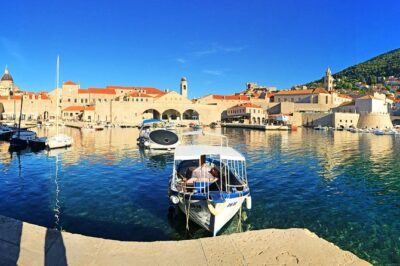 ★ 5.0Early Bird Dubrovnik History Tour – 7:30 StartFrom $24198 reviews
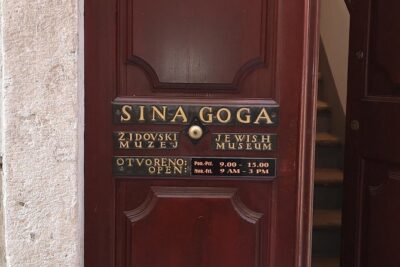 ★ 5.0Dubrovnik Jewish Heritage Private Walking TourFrom $229121 reviews
 ★ 4.7History and Game of Thrones Walking TourFrom $2985 reviews
 ★ 5.0Dubrovnik History, Sweets & Liquors in a Private Palace (PRIVATE)From $11463 reviews
 ★ 4.7Dubrovnik Old Town: Night tour with History, Wine & BitesFrom $8259 reviews
Browse the lists this tour appears in