
Tour review · HISTORICAL TOURS
Dubrovnik Fun Facts and History: 1 or 2hr Tour with Antonio
Dubrovnik has a secret classroom. On Antonio’s 1 to 2 hour walking tour, you get a history lesson told like street storytelling, with Dubrovnik’s independence and the 1667 earthquake rebuilding at the center. It is fast, focused, and full of small details that make the centuries feel usable, not dusty.
What I like most is how diplomacy and trade explain Dubrovnik’s long independence, plus how Antonio connects big political turning points to what you actually see while walking. You will also get a coffee stop on the 2-hour version, served during the middle of the story, not at the end when you are already tired.
One consideration: this is an active walking tour, and it is not suitable for wheelchair users or people with mobility impairments, and it is not aimed at people over 80. Also, audio recording is not allowed, so you’ll want to rely on your own notes and memory.
Key things you will notice right away
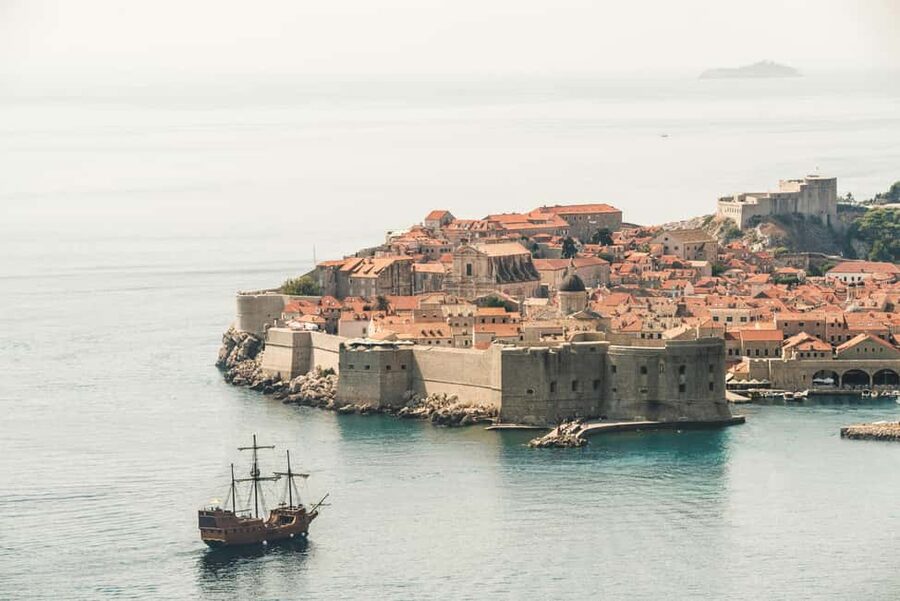
- Revelin Fortress starting point: shaded, easy to find, and you get an Old Harbour view before the historic streets.
- Geopolitics, explained simply: independence through diplomacy and trade, told in human terms.
- 1667 earthquake as a turning point: you see how rebuilding reshaped architecture and even power.
- Fun facts that mix past and present: you can ask questions about today as you go.
- Coffee break inside the walls on the 2-hour tour: a local couple’s shop stop around the 1-hour mark.
A few more Dubrovnik trips to round out the shortlist
- Dubrovnik Old Town History Walking Tour★ 5.0 · 1,684 reviews
- Game of Thrones & History of Dubrovnik Tour★ 5.0 · 628 reviews
- Dubrovnik: Old Town History Walking Tour★ 4.9 · 474 reviews
- Early Bird Dubrovnik History Tour – 7:30 Start★ 5.0 · 198 reviews
Meeting Antonio by Revelin Fortress, with the Old Harbour in view
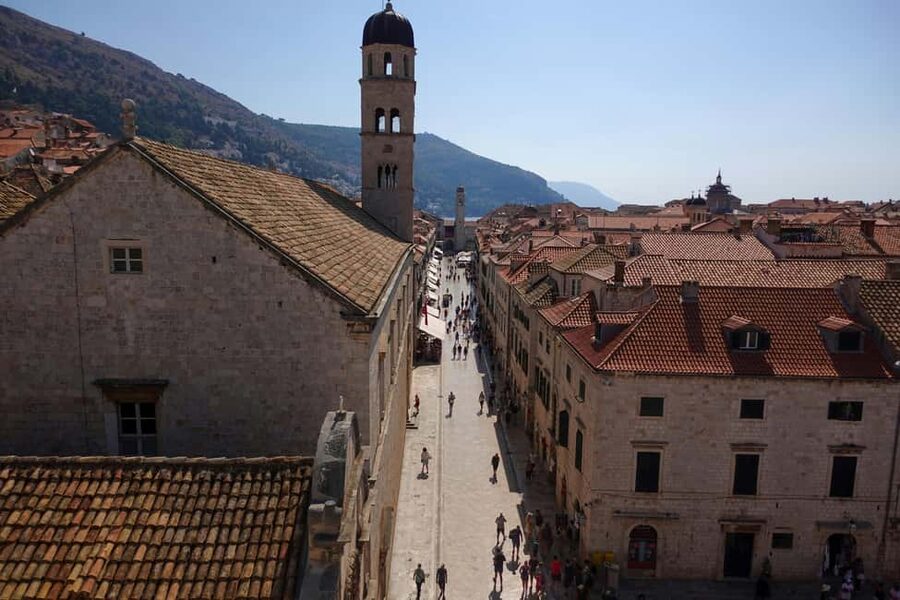
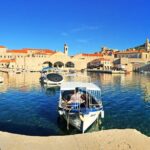
The tour begins in the shade at a small square right next to Revelin Fortress. From there, you get a lovely look toward the Old Harbour, and it helps you orient fast. That matters in Dubrovnik, because the city is all layers, and direction makes the stories easier to follow.
Antonio’s approach is very talk-to-you, not lecture-style. He is a local resident and a Dubrovnik County licensed guide, and it shows in how he frames events. Instead of just naming dates, he ties the city’s choices to practical reasons, like how a small republic had to think like a trader and a diplomat at the same time.
The walk then leads you into the historic streets, where you can connect what you learn to what you are seeing. The ending point is the same as the meeting point, which is handy if you want to keep your afternoon flexible.
If you are the type who likes asking questions, this is a good format. You are invited to talk and share thoughts, and Antonio enjoys conversation, including questions about present-day Dubrovnik.
How Dubrovnik stayed independent for 450 years, explained with diplomacy
Dubrovnik’s Republic is famous for surviving in a world of bigger powers, and Antonio focuses on the strategy behind that. The core idea is simple: a small polity cannot rely on brute force, so it relies on diplomacy and trade. That theme keeps running through the walk and makes the long timeline feel coherent.
Antonio’s storytelling emphasizes that Dubrovnik managed to remain independent for just under half a millennium, and it was described as war-free for 450 years through its diplomatic approach. Whether you take that as a sweeping claim or an overall framing, the lesson is clear. Dubrovnik’s strength was planning, not luck.
A useful thing here is how he makes independence feel grounded. You start to understand how maritime thinking and political flexibility could protect the republic, even when the surrounding region was under constant pressure. This is also where the tour’s tone works: it is a history class, but delivered with enough humor and personality that you do not feel trapped in facts.
And because it is a walking tour, you are not just hearing about rulers and treaties. You are moving through the city as he explains why Dubrovnik acted the way it did. That turns abstract politics into street-level meaning.
What the Republic was known for, beyond battles and kings
Most first-time Dubrovnik visitors look for walls, views, and dramatic ruins. This tour pulls you in a different direction, toward the ways the Republic looked outward and planned ahead. Antonio presents Dubrovnik not only as a defensive city, but as a place that set standards in governance and maritime practices.
The most surprising part is how broad the Republic’s reputation is in this telling. Antonio highlights that individuals from Dubrovnik were trailblazers in areas such as mathematics, astronomy, and diplomacy. Even if you only remember one or two of these examples, it changes how you think about the republic. It was not just surviving. It was also building systems.
This “ahead of its time” angle is a great value for your money, because it helps you see Dubrovnik as an active brain, not just a scenic backdrop. You start making connections between the city’s maritime life and the need for math and navigation. You also begin to see diplomacy as a skill set, not a lucky handshake.
One practical benefit for you: when you later walk through museums or read signs, you will have a framework already in your head. You will recognize why certain ideas mattered, even when the city’s main story is presented as architecture and scenery.
The 1667 earthquake: how rebuilding changed Dubrovnik’s look and power
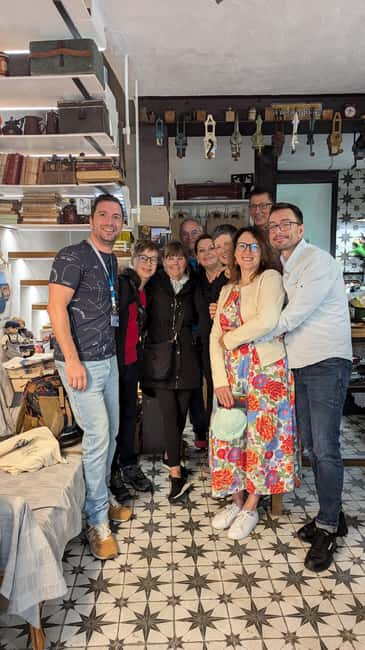
Around the middle of the tour, the story turns serious. The 1667 earthquake is treated as a defining moment, something that changed the face of Dubrovnik forever. Antonio uses it to explain more than damage and repair. He ties it to consequences for how the city was rebuilt, and even how division of power shifted afterward.
This section is where the tour becomes especially memorable, because the earthquake is not just a historical event. In Dubrovnik, it is part of what you see today. Once you connect the rebuilding efforts to the structures in front of you, the city’s look starts to make more sense.
What I appreciate about how Antonio frames this: the earthquake is not used just to set up tragedy. It is used to show change in a city that had to re-decide how it would function. That means the earthquake becomes a lens for leadership, planning, and long-term thinking.
If you are a history nerd, you will enjoy how the story links architecture to politics. If you are not, you still benefit, because the earthquake section gives you stakes. It explains why the city looks the way it does and why the rebuilding mattered for residents, not just for buildings.
- Dubrovnik: Epic Game of Thrones Tour + Lokrum & Saver Option
★ 4.9 · 5,995 reviews - Dubrovnik: Old Town Walking Tour
★ 4.8 · 5,174 reviews - Dubrovnik: The Original Game of Thrones Tour & Lokrum Option
★ 4.8 · 5,064 reviews - Dubrovnik Game of Thrones Tour & Optional Lokrum Island Visit
★ 5.0 · 4,702 reviews - Dubrovnik Discovery Old Town Walking Tour
★ 5.0 · 4,458 reviews
Walking the historic streets while mixing past and present
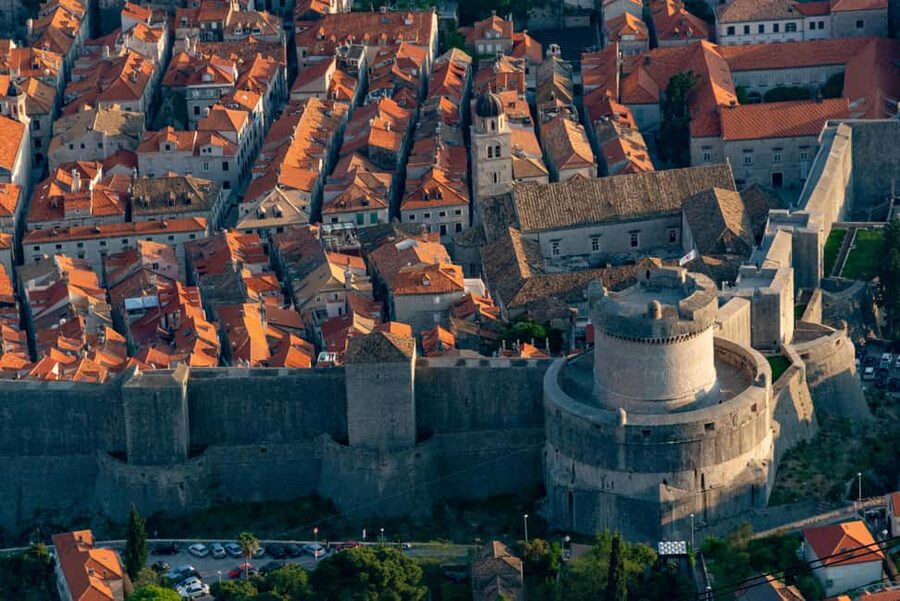
One reason this tour works even for people who think they “already know Dubrovnik” is that Antonio keeps mixing big events with everyday details. He shares intriguing fun facts and anecdotes about Dubrovnik, including items that are funny and items that are not so funny. The mix feels realistic, like living with history instead of only studying it.
You also get permission to steer the conversation. Feel free to ask questions about present-day Dubrovnik, and Antonio is open to discussing current happenings along with the city’s older structure. That makes the tour feel less like a one-way broadcast and more like a guide telling you what he loves and what he thinks visitors miss.
As you walk, you will likely spot how the city’s layout and landmarks connect to the Republic’s maritime focus. Even without naming every single street corner, Antonio’s perspective makes the old town feel like it had reasons for every decision, from trade routes to governance.
This is also where value shows up. You are paying for interpretation, not just facts. Antonio helps you connect the dots between what happened, why it mattered, and what you still see.
1 hour vs 2 hours, and what you get with the coffee stop
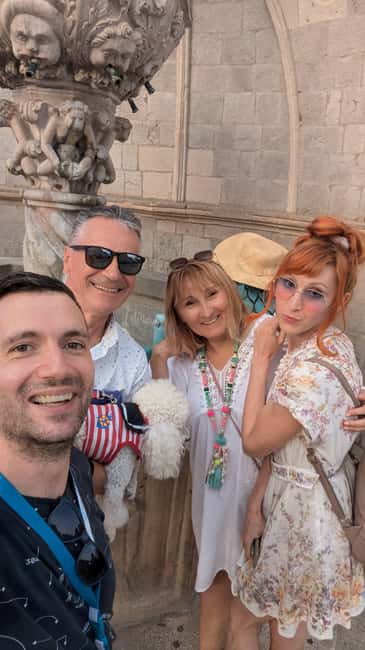
The tour comes in two lengths: 1 hour or 2 hours. That choice affects how much of the Republic’s timeline you hear, and it also affects whether you get the coffee break.
On the 2-hour tour, you’ll stop around the 1-hour mark for coffee at a charming little shop owned by a local couple. It is located inside the walls, and Antonio treats it as part of the pacing, not an afterthought. You get a short pause during the story, which helps you reset before the earthquake and rebuilding portion finishes strong.
If you choose the 1-hour option, you still get the core walking history and fun facts, but it will be a tighter experience. You’ll likely move through the main ideas quickly, and you might want to save extra questions for later, since the full conversation time is reduced.
The coffee break matters beyond caffeine. It is the moment you connect the city’s past with daily life. Even if the historical details are the headline, this stop gives you a human Dubrovnik moment, with a local couple and a quieter pace inside the old town.
Places you might not find on your own
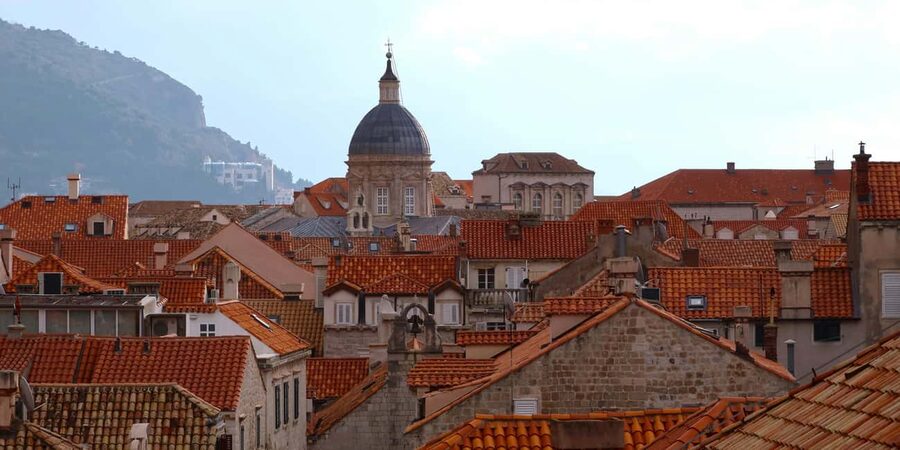
Antonio’s storytelling includes taking you to spots you might not naturally choose if you are only aiming for the main sights. The emphasis is on seeing the city with context, not just taking photos.
From the start, the approach is different. You begin by Revelin Fortress, not by the most obvious postcard view, and you get the Old Harbour view first. That sets up the maritime angle early, which makes later independence and trade stories feel connected.
As you move through the historic streets, Antonio also uses the city’s features as story prompts. The earthquake section, for example, makes you pay attention to what was rebuilt and why. If you walk Dubrovnik on your own, you can see buildings. This tour helps you read them as choices.
I also like that the tour is built for conversation. If something catches your attention, Antonio will usually connect it back to the Republic’s priorities, like diplomacy, maritime life, governance, or the fallout from 1667.
Practicalities that make the tour easier to enjoy
This is a walking tour, so start with the obvious basics. Bring comfortable shoes, comfortable breathable clothing, and a reusable water bottle. Dubrovnik can move from sun to shade quickly, but you will still be on your feet.
If you plan to take photos, you can, but audio recording is not allowed. That rule means you should come ready to listen closely and take notes if you care about details, names, or dates.
Alcohol and drugs are not allowed during the tour. And the experience is not suitable for babies under 1 year, which is a clear sign it is focused on active walking and adult pacing.
If you want a smoother time, arrive a little early so you can get the meeting point settled. The start is easy to find, and the shaded square near Revelin Fortress helps you stay oriented.
Who should book this tour, and who should skip it
This works best for you if you enjoy a story-driven walking experience and you want Dubrovnik’s independence and the 1667 earthquake explained in plain language. It is also a good fit if you like asking questions. Antonio encourages conversation, including present-day Dubrovnik questions.
It is especially appealing if you want a different take than the usual “see the big sights” approach. You get governance, maritime practices, and ideas around mathematics and astronomy, not only war stories. That variety gives you something to think about after you leave the walls.
You should skip it if you have mobility limitations or you use a wheelchair. It is also not suitable for people over 80, and it is not aimed at very young infants.
If you are traveling with limited time, the 1-hour option gives you a concentrated dose. If you have the time and you want the coffee stop, the 2-hour version adds a more relaxed middle pacing.
Should you book Dubrovnik Fun Facts and History with Antonio?
Yes, book it if you want Dubrovnik’s Republic explained through diplomacy, trade, and the turning point of the 1667 earthquake, with stories you will not get from quick reading. Antonio’s local perspective, plus the mix of serious events and fun anecdotes, makes the tour feel personal and practical for your sightseeing days.
Pick the 2-hour option if you like breaks and conversation time. The coffee stop inside the walls, around the 1-hour mark, is part of the experience, not a random stop. Choose the 1-hour option if you want the main storyline quickly and you have other plans later.
Skip it if mobility is a concern or if you prefer audio guides. This tour asks you to listen, walk, and interact. If that fits your travel style, it is a strong value at $28 per person, because you are buying interpretation from a licensed local guide, not just moving through old streets.
FAQ
How long is the tour?
It is offered as either a 1-hour or 2-hour history and fun facts sightseeing walking tour.
How much does it cost?
The price is $28 per person.
Where do we meet?
You meet in the shade at a small square right next to Revelin Fortress. From there you can see the Old Harbour.
Where does the tour end?
The tour ends back at the same meeting point near Revelin Fortress.
What language is the tour in?
The tour is available in English and Croatian.
Is there a coffee stop?
Yes. For the 2-hour tour, there is a coffee break around the 1-hour mark at a small shop owned by a local couple inside the walls.
Can I record audio during the tour?
No. Audio recording is not allowed.
What should I wear or bring?
Bring comfortable shoes and breathable clothing, and a reusable water bottle.
Is the tour suitable for wheelchair users?
No. It is not suitable for wheelchair users or people with mobility impairments.
What is the cancellation policy?
You can cancel up to 24 hours in advance for a full refund.
Can I reserve without paying today?
Yes. The option is reserve & pay later, so you can book your spot and pay nothing today.
More Historical Tours in Dubrovnik




More Tours in Dubrovnik

More Tour Reviews in Dubrovnik

Fresh on the Dubrovnik shortlist


Historical Tours, compared.
 ★ 5.0Dubrovnik Old Town History Walking TourFrom $241,684 reviews
 ★ 5.0Game of Thrones & History of Dubrovnik TourFrom $30628 reviews
★ 4.9Old Town History Walking TourFrom $20474 reviews
★ 5.0Game of Thrones & History of Dubrovnik TourFrom $30628 reviews
★ 4.9Old Town History Walking TourFrom $20474 reviews
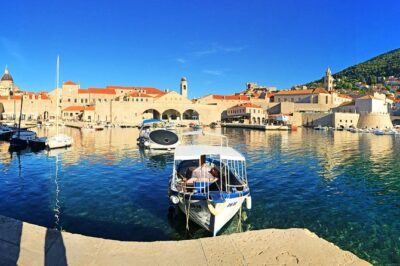 ★ 5.0Early Bird Dubrovnik History Tour – 7:30 StartFrom $24198 reviews
 ★ 4.6Red History Museum Regular TicketFrom $11134 reviews
 ★ 5.0Dubrovnik Jewish Heritage Private Walking TourFrom $229121 reviews
 ★ 4.7History and Game of Thrones Walking TourFrom $2985 reviews
 ★ 5.0Dubrovnik History, Sweets & Liquors in a Private Palace (PRIVATE)From $11463 reviews
Browse the lists this tour appears in