
Tour review · CITY WALLS & OLD TOWN
Walls of Dubrovnik: Small-Group 2-Hour Tour With a Local
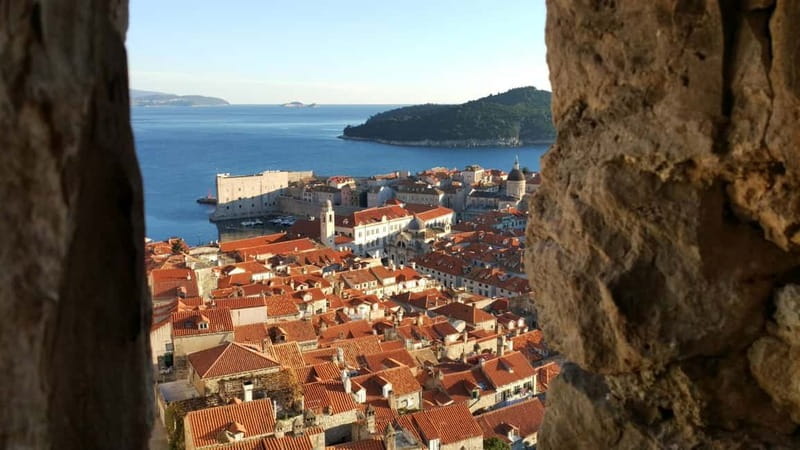
Dubrovnik walls turn sightseeing into strategy. I love the harbor-and-sea views and the way your guide explains how the defenses actually worked. When guides like Marko lead, the walk feels lively and personal, even when the subject turns military. You start with a small crew, limited to eight people per guide, so it stays easy to ask questions.
One practical thing to know up front, though: you are climbing 700+ stairs with no elevator. This tour is not for low-fitness days or anyone who freezes up with heights.
Key things that make this wall tour worth your time
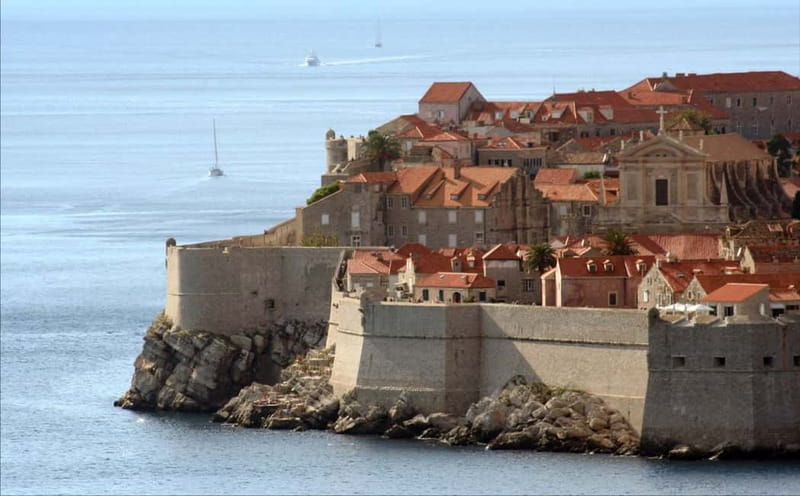
- Fort Revelin to Minčeta Fortress, a route that tracks the city’s most important pressure points
- A local guide with real storytelling energy, including Q&A moments that keep the group switched on
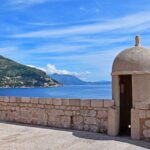
- Old Town and Adriatic panoramas from the wall-walk that most people only see from below
- Clear explanations of medieval siege tactics, from bows and arrows to stone boulders
- Forts and gates linked to specific “why” moments, like how the Pile Gate got defended
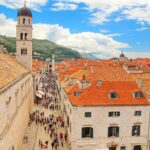
- One strong photo payoff, a viewpoint that frames Stradun from above
More time up on the ramparts and inside the Old Town
- Dubrovnik: Old Town Walking Tour★ 4.8 · 5,174 reviews
- Dubrovnik Discovery Old Town Walking Tour★ 5.0 · 4,458 reviews
- Dubrovnik Old Town History Walking Tour★ 5.0 · 1,684 reviews
- Dubrovnik: City Walls Early Morning or Sunset Walking Tour★ 4.8 · 1,523 reviews
Entering the walls like a strategist, not a tourist
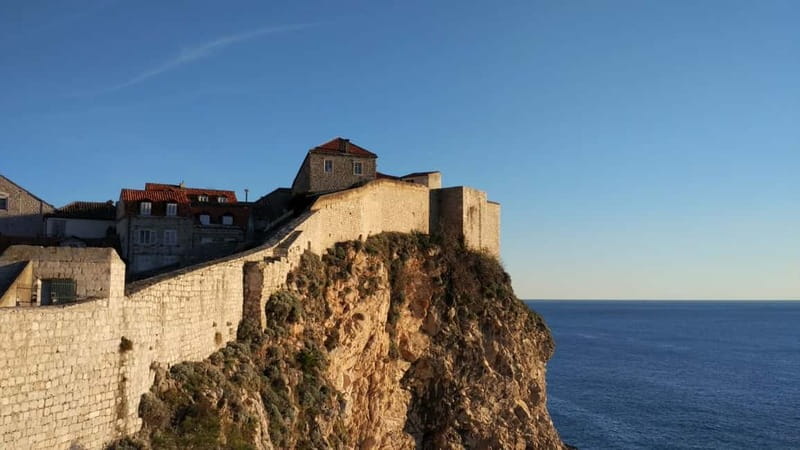
Dubrovnik’s city walls are not just for photos. They are built as a defensive system, and walking them turns the city into a readable map. From the top, you can trace sightlines, understand where attackers would try to come in, and see why each fort and tower had a job.
I like that your guide does not treat the walls like random monuments. The stories connect the view you are looking at with the threat the city faced, like enemy incursions trying to get at the harbor. That is what makes this tour feel different from a plain walk around the Old Town.
You also get the benefit of a small group. With up to eight guests, you are not lost in a crowd, and you can ask simple questions like why one section is older or what a certain tower was meant to do.
Meeting near Fort Revelin and getting oriented fast
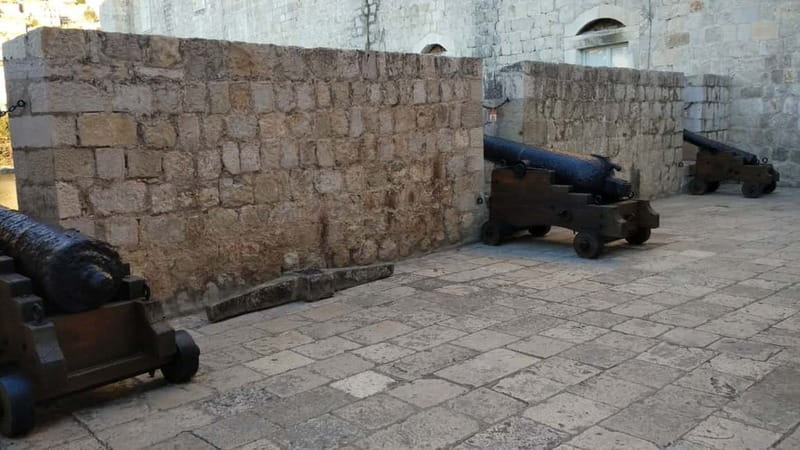
You meet at the square in front of Fort Revelin, close to the Ploče Gate area. The easiest way to find the group is to look for your guide in the corner of the square, by the cannon, holding a red and white flag.
This meeting setup matters because the tour is mostly vertical once you start. You want to arrive ready, with comfortable footwear and a calm head about stairs. The first minutes are about getting your bearings, so the later explanations make sense as you move from one stretch of wall to the next.
The whole experience runs about two hours, and you end back at the same meeting point. That gives you a clean plan, especially if you want to pair it with Old Town exploring afterward.
The eastern defenses: Fort Revelin and the harbor that needed protection
Right away, you climb onto the walls and the city opens up. One of the first viewpoints is the Old Harbor area, where your guide explains how essential the harbor was to the Dubrovnik Republic.
This is where the tour starts to feel practical. Instead of only describing beauty, the guide frames the harbor as the economic and military lifeline. Dubrovnik depended on maritime trade and seafaring, which also meant the city had to defend access to ships and incoming threats.
From here, you move toward Fort Revelin, a fortress that guarded the eastern approach to the Old Town for centuries. Even if you know Dubrovnik’s reputation as a movie-famous city, this part reminds you that the look of the walls was created for survival, not scenery.
If you are someone who likes cause and effect, this is a strong opening. You can see the direction of approach, then hear why that spot mattered. The drawback is that the early climb can feel steady, so if you are not used to stairs, take it slow and use the walls’ pacing to catch your breath.
Northern stretch and siege tactics, from arrows to stone boulders
After Fort Revelin, the walk continues along the northern stretch of the walls. This portion leans into medieval warfare in a way that makes the wall shapes feel intentional.
Your guide talks about siege tactics and the everyday technology of defense. You hear about bows and arrows, stone boulders, and how attackers would try to force a breakthrough. It is not abstract. It is explained as a system: where defenders stand, what they can reach, and how the city turned available materials into protection.
You also stop at a strategic tower where your guide connects Dubrovnik’s defense needs to its diplomatic relationship with the Ottoman Empire. This is one of the more interesting angles, because it is not only about battles. It is about how diplomacy often helped the city avoid worse outcomes.
This section also rewards good attention. Once you start looking at towers and wall lines as tools, you begin spotting patterns in the route. Even if you do not consider yourself a history person, the explanations help you “read” what you are seeing.
A few more Dubrovnik trips to round out the shortlist
- Dubrovnik: 3h Morning or 2h Afternoon Kayaking & Snorkeling
★ 5.0 · 162 reviews - Private Transfer from Dubrovnik to Split with 2 hours for sightseeing
★ 5.0 · 50 reviews - 2-Hour Dubrovnik Private Buggy Panorama Safari
★ 5.0 · 39 reviews - Jet Ski Safari Tour 2h
★ 5.0 · 32 reviews - 2-Hour Dubrovnik Fun and Exciting Jet Ski Safari Adventure Tour
★ 5.0 · 30 reviews
Minčeta Fortress at the top: the Italian architect and the cannon story
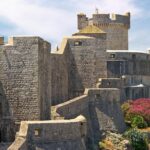
A highlight comes when you reach Minčeta Fortress. From this elevated viewpoint, you can take in Dubrovnik from above, with the city and the sea spreading out around you.
Your guide also connects the fort to the work of the renowned Italian architect Michelozzi, explaining how his influence shaped what you are seeing. This is a nice moment to slow down a bit, because you get the best panorama of the whole walk.
There is also a specific defense detail that adds texture: talk of an old gun foundry and a notable set of cannons that once defended the walls. That kind of detail matters because it answers a question you might not realize you have, which is what the fortress was designed to do at a practical level.
If you are afraid of heights, this part may be challenging. The view is worth it, but you should not sugarcoat it: the wall-walk involves open drops and continuous stair climbing.
The Stradun photo moment, then Forts Lovrijenac and Bokar
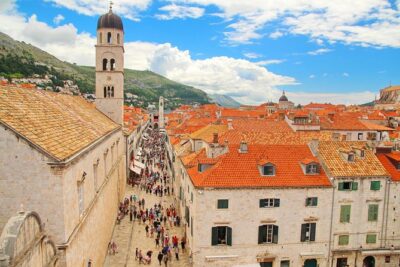
Midway through the route, you get a photo opportunity aimed at Stradun, Dubrovnik’s main street. Seeing Stradun from above helps you understand why the city’s defensive lines are built where they are. From the wall, it is easier to picture how movement through the Old Town connected to gate protection.
From there, you head along the western stretch, where your guide explains Forts Lovrijenac and Bokar and how they helped protect the Pile Gate. This part is especially satisfying if you like architecture with purpose. The forts are not just “there,” they are described as answers to the threats aimed at the main entry areas.
One memorable detail in the story is the thickness of some portions of Lovrijenac’s walls, which your guide explains can reach twelve meters. When you hear numbers like that during a walk, you start seeing the scale of the engineering, not just the shape.
Southern wall sections: Venice ties, plus the oldest versus youngest parts
As the route continues toward the southern stretch, your guide brings in the long timeline. You learn about both the oldest and the youngest sections of the walls and how that reflects Dubrovnik’s changing needs over time.
You also get context on Dubrovnik’s ties with Venice and the rivalry between maritime powers. This is where the tour connects walls and diplomacy in one story arc. Defense was never only about strength. It was also about timing, alliances, and calculating risks.
This part helps you understand why Dubrovnik’s defenses were built to last. Even with political pressure around them, the city-state’s survival depended on more than courage. It depended on strategy, and the walls are one of the clearest physical reminders of that.
If you want to end the tour with a stronger sense of “why these stones exist,” pay attention here. The explanations help you see that the wall-walk is really a narrative of adaptation.
Fort St John and the Old Port closing loop
Near the end, you move through another key defense and harbor-linked area, including Fort St John. The walk also brings you past the Old Port Dubrovnik viewpoint, returning you to the theme that started the tour: the harbor as the heartbeat of the republic.
This closing loop is a good way to tie everything together. You see the port again after learning about towers, forts, and siege tactics, so it feels less like repetition and more like reinforcement.
At this stage, the stair fatigue might show up for some people. That is normal. The good news is the tour ends back at the meeting point, so you do not feel like you are stuck navigating your way out.
Price and value: $36 for the guide, plus the wall entrance
The tour price is $36 per person, and that number is for the guided experience. The key detail is that the city walls entrance ticket is not included.
If you have the Dubrovnik Pass, you can enter the walls for free and skip the line, which can make this tour feel like a better deal. If you do not have the pass, the single ticket price is 40 Euros, bought at the entrance by cash or card. In January, February, November, and December, tickets are 20 Euros, and students with a valid ISIC card or under-18s pay 15 Euros.
Here is how I think about value: you are paying for a licensed English-speaking guide and a structured way to walk the entire defensive route. If you are already planning to visit the walls anyway, having a guide explain what you are looking at turns a ticket into an experience. If you were only hoping for casual sightseeing, you might ask yourself whether you want a guided explanation of military strategy, or if you would rather self-tour the walls.
Small group size also matters for value. With a maximum of eight people per guide, you get interaction, questions, and pacing that feels manageable on a tough stair route.
Who should book, and who should skip
This wall tour is a strong fit for people who like city walking with a story that has teeth. If you enjoy explanations tied to what you can see, and you want your Old Town visit to come with context beyond landmarks, you will likely enjoy this.
It also fits families with older kids. The tour is not suitable for children under 12, but the subject matter is clear enough for motivated teens and curious adults.
It is not the right choice if you have mobility impairments, if you use a wheelchair, or if you struggle with heights. And it is not recommended for people with walking difficulties because there are no elevators or escalators.
Quick decision guide: book this if you want the walls to make sense
Book this tour if you want more than a view. You are paying for a local guide to explain the harbor defense system, forts like Revelin, Minčeta, Lovrijenac, and Bokar, and the diplomacy thread involving the Ottoman Empire and Venice. The structure turns a famous location into an understandable story.
Skip it if stairs are a problem, if heights make you uncomfortable, or if you prefer exploring on your own with no guided explanation. Also, double-check your wall ticket plan before you go, because entrance is separate unless you have the Dubrovnik Pass.
If you are planning Dubrovnik for a short trip, this is a smart use of two hours. You leave with a better mental picture of how the city defended itself and why those views exist where they do.
FAQ
Is the entrance ticket to the city walls included in the tour price?
No. The tour price includes the guide, but the city walls entrance ticket is not included. If you have a Dubrovnik Pass, you can enter for free. Without the pass, tickets are 40 Euros, with lower pricing in January, February, November, and December.
How long is the Walls of Dubrovnik small-group tour?
The tour lasts about 2 hours.
How many people are in the small group?
The group is limited to a maximum of eight participants per guide.
Where do I meet the guide?
Meet your guide in the corner of the square by the cannon, holding a red and white flag. This is near Fort Revelin, close to the Ploče Gate.
Is the tour wheelchair accessible or suitable for people with mobility impairments?
No. It is not suitable for people with mobility impairments and it is not suitable for wheelchair users.
How many stairs are on the tour and what fitness level do I need?
There are more than 700 stairs. The tour requires a moderate level of fitness and there is no elevator or escalator. It is not recommended for people with walking difficulties.
More Tours in Dubrovnik





The Walls & Old Town, More Ways In


More Tour Reviews in Dubrovnik

Fresh on the Dubrovnik shortlist



City Walls & Old Town, compared.
 ★ 4.8Old Town Walking TourFrom $235,174 reviews
 ★ 5.0Dubrovnik Discovery Old Town Walking TourFrom $244,458 reviews
 ★ 5.0Dubrovnik Old Town History Walking TourFrom $241,684 reviews
 ★ 4.8City Walls Early Morning or Sunset Walking TourFrom $291,523 reviews
 ★ 5.0Ancient City Walls & Wars Walking TourFrom $301,270 reviews
 ★ 5.0Dubrovnik Combo: Old Town & Ancient City WallsFrom $521,019 reviews
 ★ 4.9Blue Cave Tour with Panoramic Old Town ViewFrom $73884 reviews
★ 4.9Old Town Walking TourFrom $23792 reviews
★ 4.9Blue Cave Tour with Panoramic Old Town ViewFrom $73884 reviews
★ 4.9Old Town Walking TourFrom $23792 reviews
Browse the lists this tour appears in