
Tour review · TOURS
Small Group Tour; Balkans & Central Europe – Dubrovnik to Vienna
Danube towns meet the Albanian Alps. This small-group run strings together historic Balkan cities and a two-day hiking block in northern Albania with a local guide. I also liked that the trip keeps a steady hand on the logistics, with hotel pickup in Dubrovnik and a tour leader throughout. One possible drawback is the pace, with lots of driving days and walking that can be on uneven ground.
I especially liked how the guided time is paired with real breaks. You get structured stops for the big sights, then you’re released for food, coffee, and wandering at your own speed. Another win: you’re in a group of up to 10, so it feels friendly instead of mass-tour crowded. Still, plan on bringing patience for borders, transfers, and the occasional schedule shift from weather or site operations.
You’ll meet different guides along the way, and the reviews you’ll find are consistent about people like Bilbil, Mira, Sokol, Armando, and Ani being professional and genuinely helpful. That matters because this kind of trip only works when your guide can explain the why, not just the what. If you want a comfy vacation with no exertion at all, this isn’t it, but if you want the meaningful stuff, it hits.
Key things to know before you go
- Up to 10 travelers, small-group feel: easier questions, less waiting, and more flexibility during free time.
- Two-day north Albania hiking block: Komani Lake and Valbona Valley, plus meals and overnight stays included.
- City time plus breaks: guided heritage stops, then time to eat and roam on your own.
- Plenty of walking on foot: expect cobbles and some uneven terrain at several stops.
- 3-star hotels with breakfast only: dinners are on you, so budget for meals outside the package.
- Hotels handled at both ends: pickup from your Dubrovnik hotel and drop-off at your Vienna hotel.
Not set on this one yet? Set it beside a few other Dubrovnik trips first.
- Blue Cave Small-Group Boat Tour from Dubrovnik★ 5.0 · 9,360 reviews
- Full-Day Dubrovnik Elaphite Islands Cruise with Lunch and Drinks★ 5.0 · 8,823 reviews
- Dubrovnik: Epic Game of Thrones Tour + Lokrum & Saver Option★ 4.9 · 5,995 reviews
- Dubrovnik: Elaphiti Islands Full-Day Cruise with Lunch★ 5.0 · 5,938 reviews
Packing the Balkans into 10 days: what the pace feels like
This trip is built like a chain. One highlight leads to the next, and most days have at least one major town walk. That’s fun if you like motion, but it can feel intense if you prefer slower travel and long mornings.
You start early on day one, with a 7:00 am hotel pickup in Dubrovnik. Expect that kind of start to keep happening throughout the journey, because travel between countries takes time and border moments are real life. The good news is your transport is handled, and you don’t have to think about routes.
As for walking, there are multiple days where the terrain isn’t perfectly smooth. The Sarajevo portion specifically calls out uneven ground, and you’ll also be doing castle climbs and old-town streets in other cities. If you have moderate mobility, you’ll be fine, but bring shoes you trust.
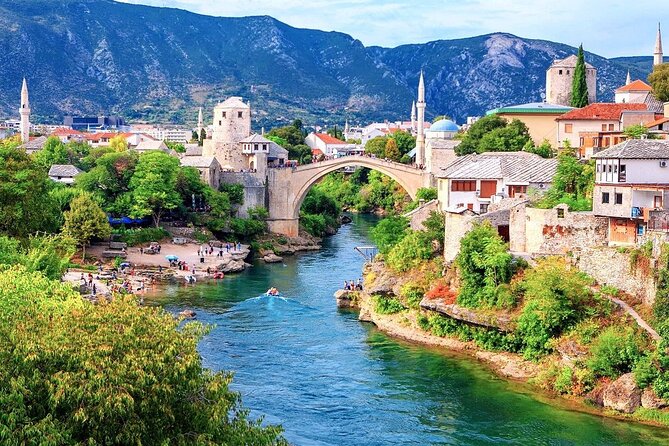
Dubrovnik morning pickup and Mostar’s Ottoman meets Austro street
You begin in Dubrovnik, then the tour team picks you up and shuttles you toward the border. The first big stop is Mostar, and it’s a smart choice because Mostar instantly shows how layered the Balkans can be.
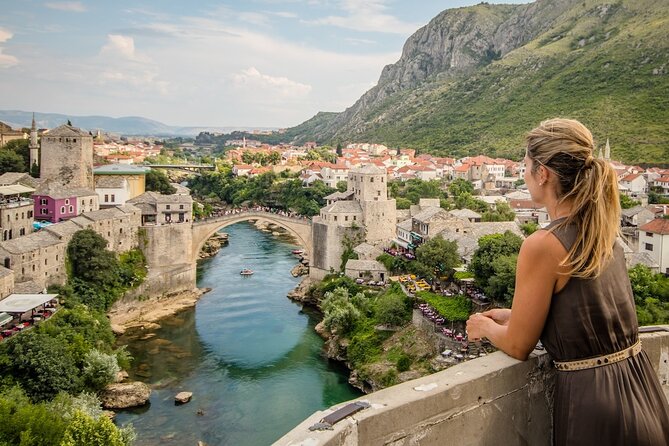
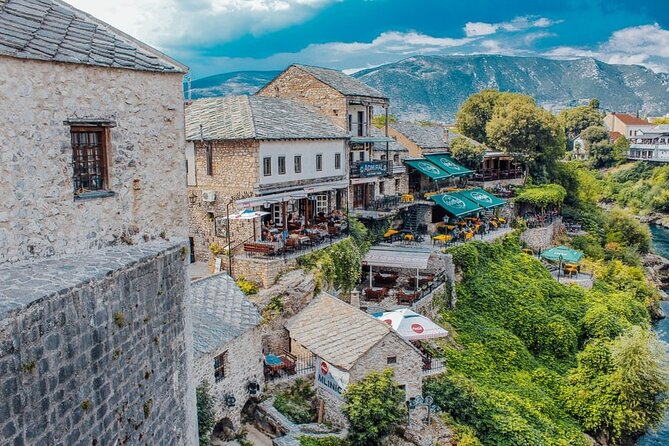
The centerpiece is Old Bridge (Stari Most), a UNESCO World Heritage site built in the 16th century. The bridge is famous for its Islamic architectural roots, and it’s the kind of place where you’ll want a few minutes just to take in the river setting and the stonework.
Then you move into the Old Bazaar, where you’re walking cobbled lanes with colorful storefronts and lively street life. You’ll also spot memorial stones with a don’t forget message around town, a detail that adds context fast. The tour also includes time outside the city at Blagaj tekija, an Ottoman-era site by the river Buna with striking blue water in front of the monastery complex.
Practical tip: Mostar days are often a mix of guided walking and free exploration. Because meals are not included, treat your free time as a plan, not a pause. Pick one local thing you want to eat and then let curiosity fill the rest.
Sarajevo on uneven ground: Ottoman and Habsburg layers
Sarajevo is where this itinerary earns its title of Balkan Central Europe, because you can literally see different eras stacked on top of each other. You’ll drive from Mostar into Sarajevo after breakfast, then start with a walking-style tour that includes uneven terrain.
You’ll spot reminders of the Yugoslav War in the form of bullet holes and cannon marks. That part is heavy, but it’s also important, because it turns monuments into lived history. The guide’s job here is crucial, since the city’s story spans a medieval Bosnian kingdom and then the Ottoman and Austria-Hungary periods.
One of the best stops is Latin Bridge, tied to the story of how World War I was triggered. The tour explains why it’s called Latin Bridge, connecting the Catholic quarter to the Ottoman-era name Latinluk. It’s not just trivia. It helps you understand how one place can carry international consequences.
After the main sights, you get free time in the old town. Sarajevo is known for meat dishes and desserts, so it’s a great day to find your favorite local lunch and then keep walking just because you can.
Belgrade fortress views and the Zvornik pause on the Drina
After Sarajevo, the trip shifts toward Serbia, with Zvornik as a stop before Belgrade. It’s a nice reset because Zvornik sits on the banks of the Drina River, so you get something quieter after heavier historical stops. You’ll have time for lunch and a wander through streets at your own pace.
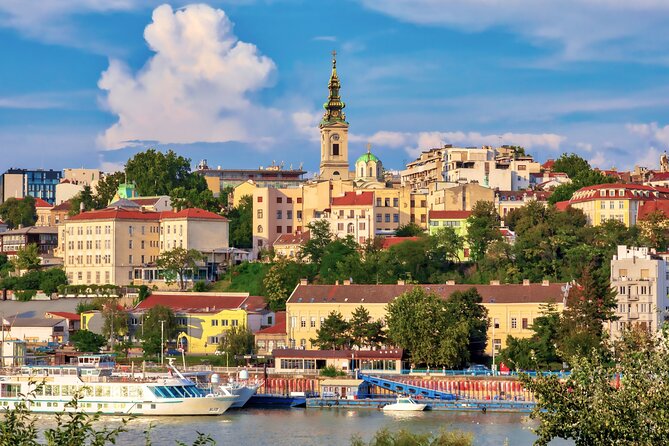
Then comes Belgrade, and the tour takes you to the Belgrade Fortress and Kalemegdan Park. This is one of those places where the views do half the explaining. The fortress sits where two rivers meet, so the skyline and water both feel dramatic.
You also visit Pobednik, the monument with history dating back to 1913. It’s the kind of stop that makes you look up mid-walk, because you’re seeing a city through both monuments and river angles.
The guided walk continues through Knez Mihailova, a key pedestrian street where locals meet, then to Republic Square. You’ll get a strong sense of how Belgrade moves day-to-day, not just how it looks on postcards.
- Dubrovnik: Epic Game of Thrones Tour + Lokrum & Saver Option
★ 4.9 · 5,995 reviews - Dubrovnik: Old Town Walking Tour
★ 4.8 · 5,174 reviews - Dubrovnik: The Original Game of Thrones Tour & Lokrum Option
★ 4.8 · 5,064 reviews - Dubrovnik Game of Thrones Tour & Optional Lokrum Island Visit
★ 5.0 · 4,702 reviews - Dubrovnik Discovery Old Town Walking Tour
★ 5.0 · 4,458 reviews
Wine towns and Danube architecture: Sremski Karlovci to Novi Sad
If Belgrade is the dramatic chapter, the next days focus on culture and atmosphere. First is Sremski Karlovci, known for wine production and baroque charm. You’ll tour the town and learn about the tradition behind the region’s cellars, then you get free time that practically begs you to taste wine.
There’s even a playful local legend: the Four Lions fountain in the city center. The story is that if you drink from it, you’ll return and get married in Karlovci. You don’t have to believe it for it to be fun, and it gives you a reason to walk past the same spot twice in different light.
Next is Novi Sad, the cultural capital of northern Serbia. The tour mixes Austro-Hungarian and Ottoman influences, so you’ll notice how architecture changes as you move through the pedestrian streets. A major highlight is Petrovaradin Fortress, nicknamed the Gibraltar on the Danube.
Practical tip: Novi Sad is a day where you’ll want to pace yourself. You’ll do walking and sightseeing with a fortress vibe, then you’ll want some time alone. Use that freedom to find a bakery or a café and slow down, because the next transfers keep rolling.
Subotica to Budapest: why the switch feels refreshing
On the way to Hungary, you stop in Subotica, a city with Austro-Hungarian-era wealth showing through in the architecture and city planning. The big difference here is how the central area feels: it’s not dominated by a single cathedral, but by the City Hall and its surrounding park and fountains.
Your guided time includes important buildings like the Cathedral of St. Teresa of Avila and a synagogue. Then you get free time to explore squares and streets and grab coffee. Subotica is a good break from constant castle climbs, because it’s easier to wander slowly.
After that, the tour crosses into Budapest. This is where the itinerary really starts to look like classic Central Europe. Budapest is split by the Danube into Buda and Pest, and you’ll get the kind of scenery that makes you want to keep turning your head while walking.
Budapest daylight highlights: Basilica, Parliament views, and Heroes Square
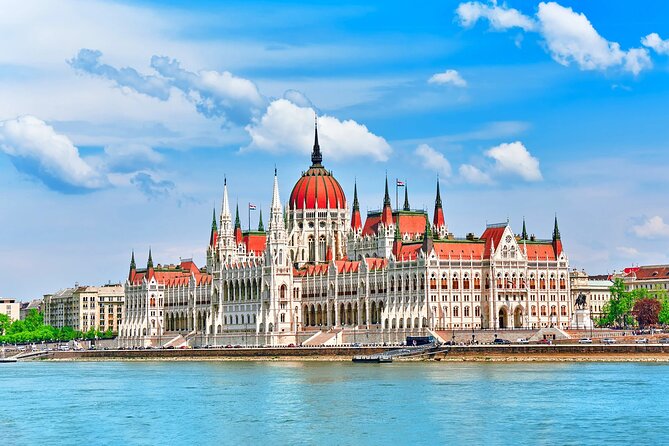
Your Budapest day includes the big visual hits. You’ll pass St. Stephen’s Basilica, then see key sights around the Opera, Parliament building, and Heroes’ Square. The tour also includes Fisherman’s Bastion, which is all about views over the city.
Budapest works best when you treat it like several neighborhoods, not one museum. Your guide helps connect the dots about architecture styles like Baroque, Neoclassical, and Art Nouveau. Then you get to enjoy the city at human pace.
You’ll also visit Buda Castle, a UNESCO World Heritage Site and a real symbol of Budapest. This isn’t just a photo stop. It’s a chance to understand how the city’s history shifted as power and culture changed hands.
The trip also includes free evening time. That’s where Budapest becomes your own. Walk, snack, and pick a viewpoint. If you only do the guided stops, you’ll miss the city’s best vibe, which is how alive it feels after dark.
Budapest bridges and Buda Castle: how the UNESCO stop pays off
The castle portion is worth it because it anchors everything you’ve been seeing. On the streets below, it’s easy to think Budapest is just architecture. Up at Buda Castle, the story becomes clearer. You connect Parliament views, river angles, and the division of Buda and Pest into one big urban picture.
This day also includes time where the guide walks you to the next area via bridges and central streets. Then you’re given time to explore independently. That combination matters for value, because it gives you structure without killing your freedom.
One more practical note: Budapest is a walking city, and even when distances aren’t huge, you’re on stairs and viewpoints. Bring layers. Even if the forecast looks mild, river-adjacent areas can feel cooler.
Győr and Bratislava by the Danube: the calm, scenic mid-late stretch
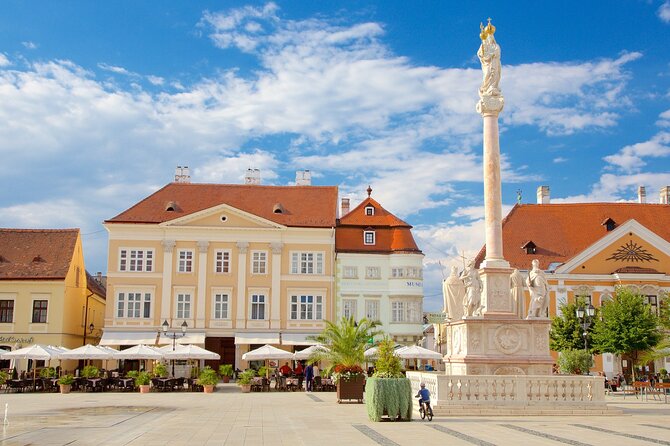
After Hungary, you head toward Győr, described as the City of Rivers. Győr has baroque architecture and a historic center with colorful homes and churches. It’s not as famous as Budapest, which can be a good thing, because your time there feels less rushed and more local.
Your stop includes the Győr Town Hall, featuring a 59-meter tower with a green top. The tour also highlights the Cathedral of The Virgin Mary, built in Roman style in the 11th century, and then you visit the Győr Synagogue, with its large grey dome.
You also walk the pedestrian street Baross Gábor Way, where cafés, shops, and restaurants cluster. The tour includes time to taste Hungarian food, including the famous blueberry beer. If you like trying small local drinks as a souvenir, this is your moment.
Then you drive to Bratislava, where the old town and castle views bring the trip home on the final sightseeing day.
Bratislava Old Town and the castle hill picture stop
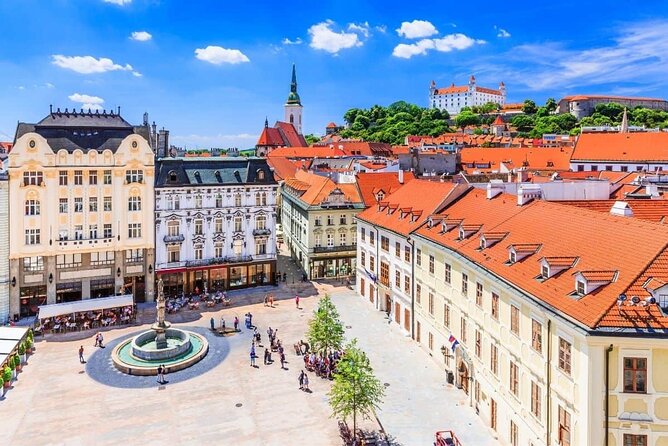
Bratislava is one of those cities that feels friendly and walkable. Your day includes Old Town Hall, plus time around the medieval old center. You’ll also visit Michael’s Gate, the only preserved medieval fortification gate in the city.
Then comes the big visual payoff: Bratislava Castle. The castle dates to the 9th century and sits on a hill above the Danube. The view from up there is the sort of photo you keep even after you get home, because it shows you how the city sits in its river valley.
After returning to the center, the tour also gives time for Bratislava’s café culture. This is another great day to follow your nose. Pick one coffee shop that looks promising and take your time, because the trip ends the next day in Vienna.
The Komani Lake and Valbona Valley hike block (two days in northern Albania)
This is the heart of the whole experience. The trip includes two days hiking in and around Komani Lake and Valbona Valley, guided by a local expert. The goal is to blend physical activity with big views of the Albanian Alps, while also giving you time for local culture and rest.
If you like scenery that feels earned, not staged, this portion delivers. The reviews are especially clear that the Komani Lake boat ride is a highlight, and the green tones of the lake plus the scale of the Valbona Valley make the day feel like a real escape from city life.
The package includes meals and overnight accommodations during this block, which is a big deal for value. It means you’re not juggling where to sleep or where to eat while your body is working. Your local guide also matters here, because hiking in a remote-feeling region is not the time to wonder if you’re on the right trail.
Who should be excited: you want fresh air, you don’t mind spending part of the day on your feet, and you like being outdoors with a guide explaining the setting.
Possible consideration: this is the segment where the moderate fitness note becomes real. If you know you can handle steep paths and long walking days, you’ll likely love it. If not, you can still participate, but you should set expectations about effort.
Vienna drop-off at the end of the route
Your last day is about finishing strong. The tour ends with your leader dropping you off at your hotel in Vienna. There’s no big final sightseeing marathon listed for Vienna in your package details, so treat this as a transition day.
If you arrive with energy, Vienna is perfect for a relaxed first evening walk. If you’re tired, you still have enough structure from the tour to know where you are and what direction the city goes.
Value check: what $3,773.83 covers and what you still pay for
Let’s talk value, because this isn’t a budget throw-together tour.
At $3,773.83 per person for a 10-day small-group trip, you’re paying for three things: guided logistics across multiple countries, included lodging, and real, pre-planned access to key sights. The tour includes 3-star hotels with breakfast for the overnights, plus a professional tour leader, international car insurance, and multiple taxes tied to travel. It also includes entry tickets for the sites you visit, and the hotel services at both ends.
What you should plan to pay on top: lunch, dinner, drinks, and snacks. Since meals are not included, your daily spend depends on how you eat, and that can change your total cost quickly. The good part is you get free time in several cities, so you can choose where to stop instead of paying a one-size-fits-all group menu.
Also note the occupancy detail: room pricing is calculated based on double, twin, triple, or quad occupancy in 3-star hotels. If you’re traveling solo, your final price could shift depending on how the company assigns rooms, so it’s worth confirming before you book.
Tips are said to be not a must, but it’s a normal practice to tip the tour leader and driver for good service. If your guide is someone like Bilbil or Mira, you’ll likely feel the urge to do it, because reviews consistently praise their friendliness and helpful recommendations.
Who this Dubrovnik to Vienna trip suits best
This tour is best for you if you want a guided route that covers a lot of ground without feeling chaotic. It’s especially a good fit if you like history, but also want nature time that isn’t just a quick stop.
You’ll likely love it if you:
- enjoy old towns and iconic bridges, from Mostar’s Stari Most to Latin Bridge in Sarajevo
- like river city views, from Belgrade Fortress to Danube angles in Novi Sad and Budapest
- want a real outdoors highlight, the Komani Lake and Valbona Valley hike, with meals and lodging included
You might reconsider if you:
- prefer a slow pace with fewer transfers
- get uncomfortable on uneven walking surfaces
- want every meal included without planning
One more small-group reality check: this is capped at 10 travelers, so you get a more personal experience, but you also need to be flexible. Group tours work best when you’re willing to roll with the schedule rather than treat it like a guaranteed exact timeline.
Should you book this Dubrovnik to Vienna tour?
If you want a trip that mixes signature Balkan sights with a meaningful northern Albania hiking block, I’d say yes. The best reason to book is the combination: guided heritage cities plus a two-day Komani Lake and Valbona Valley experience where meals and overnight stays are already handled. That turns the hardest part of planning into someone else’s problem.
I’d book if you can handle moderate walking and you’re comfortable budgeting for lunch and dinner. The guides are consistently praised for being friendly and practical, with names like Bilbil, Mira, Sokol, Armando, and Ani showing up in the kind of feedback you want to see.
Wait or skip if you’re looking for a fully relaxed, low-effort vacation. This route is active by design. But if you’re the type who likes moving from place to place and ending each day with a story, this one fits the bill.
FAQ
Where does the tour start and end?
It starts in Dubrovnik, Croatia and ends in Vienna, Austria. Your tour leader drops you off at your hotel in Vienna.
What is the duration of the trip?
The trip is listed as approximately 10 days.
How big is the group?
The tour has a maximum of 10 travelers.
Are meals included?
Accommodation includes breakfast. Lunch, dinner, drinks, and snacks are not included.
Is hotel pickup and drop-off included?
Yes. Hotel pickup is included in Dubrovnik, and hotel drop-off is included in Vienna.
Is the hiking part guided?
Yes. The Komani Lake and Valbona Valley hiking experience includes a local guide, and meals and overnight accommodations are included during that block.
What level of fitness is needed?
The tour notes that travelers should have a moderate physical fitness level.
Are admission tickets included?
Entry tickets for the sites visited are included, along with tourist taxes, road taxes, and petrol.
Can the booking be changed or refunded if plans change?
No. The experience is non-refundable and cannot be changed for any reason. If you cancel or ask for an amendment, the amount you paid will not be refunded.
More Tours in Dubrovnik
More Tour Reviews in Dubrovnik
Fresh on the Dubrovnik shortlist


Tours, compared.
 ★ 5.0Blue Cave Small-Group Boat Tour from DubrovnikFrom $849,360 reviews
 ★ 4.9Epic Game of Thrones Tour + Lokrum & Saver OptionFrom $255,995 reviews
 ★ 4.8Old Town Walking TourFrom $235,174 reviews
 ★ 4.8The Original Game of Thrones Tour & Lokrum OptionFrom $265,064 reviews
 ★ 5.0Dubrovnik Game of Thrones Tour & Optional Lokrum Island VisitFrom $244,702 reviews
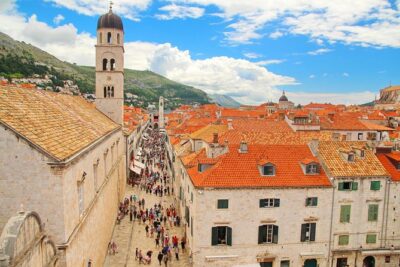 ★ 5.0Dubrovnik Discovery Old Town Walking TourFrom $244,458 reviews
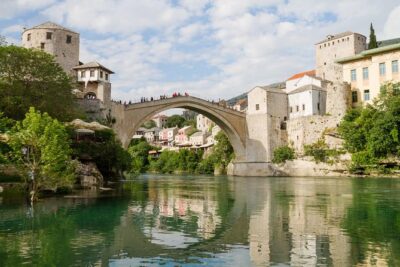 ★ 5.0Mostar and Kravice Waterfalls Tour from Dubrovnik (Semi-Private)From $1343,125 reviews
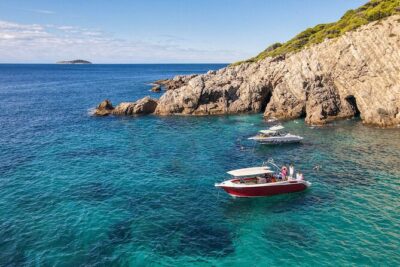 ★ 5.0Blue Cave, Green Cave & Lopud Beach small group Speed boat TourFrom $842,572 reviews