
Tour review · DUBROVNIK PRIVATE TOURS
Pearls of the Balkans from / to Dubrovnik; Semi – Private Tour
One long morning in Dubrovnik turns into five countries worth of stories. I like how this trip knits together UNESCO sites across Montenegro, Albania, North Macedonia, Kosovo, and Bosnia and Herzegovina, instead of bouncing randomly. I also like that you get pickup and a professional guide, so you are not doing border logistics on your own. A fair heads up though, hotels are 3-star and some guests have flagged small rooms and breakfast quality, so this is not a luxury hotel tour.
If you want proof the guiding matters, names like Migen A. and Gesi show up in guest feedback for being flexible and for giving useful local recommendations. One real-world snag to watch for: on at least one departure, the tour used an electric car and finding charging stops disrupted timing, which led to extra walking.
Key points before you commit
- Small group, big territory, with a maximum of 10 travelers and a semi-private feel
- UNESCO-heavy route, including Kotor, Berat, Ohrid, and Mostar
- Breakfast included, but lunches and dinners are on your own
- Site entries are mostly handled, with tickets and listed admissions included
- 3-star stays with mixed reviews, so plan for comfort, not spa vibes
- Vehicle logistics can affect timing, especially if an e-car is used
Other days with a guide kept just to yourself
- Private Tour: Montenegro Day Trip from Dubrovnik★ 4.5 · 495 reviews
- Tour The Game of Thrones – Private Walking Tour★ 5.0 · 464 reviews
- Montenegro Private Full Day Tour from Dubrovnik★ 5.0 · 376 reviews
- PRIVATE TOUR: Highlights & Hidden Gems of Dubrovnik With Locals★ 5.0 · 249 reviews
Price and what you are really paying for
At $3,434.13 per person, this is not a budget bargain. The value comes from stacking a lot into one package: 8 days of transportation across borders, hotel bed-and-breakfast, a professional tour leader, pickup in Dubrovnik or Kotor, and entry tickets for the sites on the program.
What you should weigh is your own tolerance for pace. This is a “see a lot, keep moving” route. If you prefer slow days, long café sits, and zero rushing, you might find the driving days and frequent city stops tiring.
Getting started in Dubrovnik, with early pickup
Day 1 begins with an early 07:30 am pickup from your Dubrovnik hotel area. If you prefer a later start, the operator offers free pickup at 9:00 am in Dubrovnik or 11:00 am in Kotor, as long as you request it at least 12 hours before departure.
You’ll shuttle from Dubrovnik to the border area, then meet your tour leader. This format matters because it removes the most annoying piece of Balkan cross-country travel: the “what bus, where do we meet, and where do we stand” problem.
Day 1: Kotor’s old-town maze and Budva’s split personality
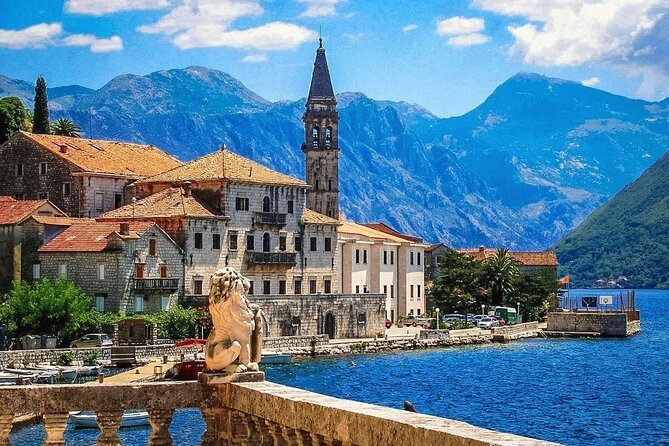
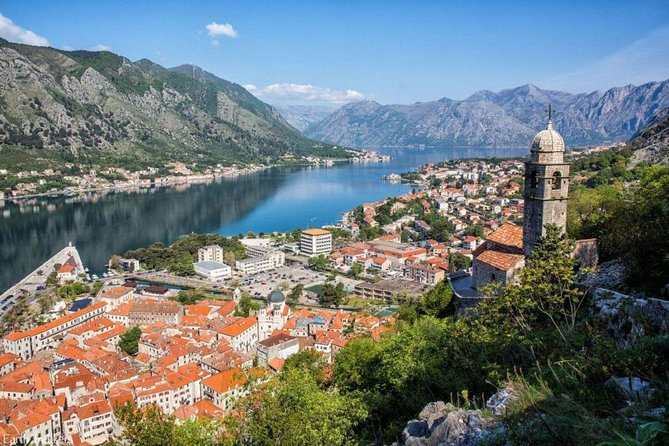
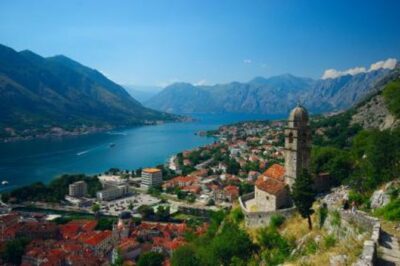
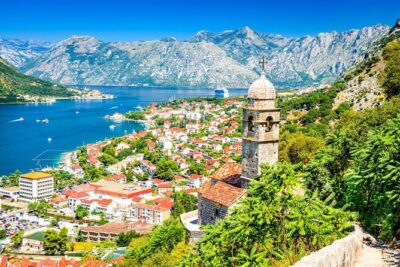
After crossing the border, the first big hit is Kotor, a UNESCO town shaped by medieval defensive logic. The old streets feel chaotic, but the street plan was intentionally made confusing to deter intruders. You’ll also visit St. Luke’s Church, and this stop is ticket-free on the program.
Next comes Budva in Montenegro, with a clear split between the newer parts and the old center. In the Old Town, you’ll walk around highlights like the St. Ivan church and the small St. Mary church, plus the medieval old-city layout. This is a good day-1 mix: one deeply historical place, then a more relaxed “walk and orient” stop.
A practical thing to note: these are compact old towns where shoes matter. Cobblestones are part of the deal.
Day 2: Tirana’s communist leftovers and the “atheist state” era
Day 2 is where the tour gets more than just postcard travel. You drive to Tirana, check in, then get a structured city experience that explains how Albania’s 20th-century political isolation still shows up today.
You start at Postblloku (Checkpoint), a memorial tied to communist-era isolation and prisoners. From there you move into Blloku, once restricted to party elites, now known for cafés, boutiques, and colorful street art. The route also passes by the residence of Enver Hoxha, so the architecture and streets make more sense after you hear the backstory.
Then you continue through central Tirana toward Skanderbeg Square, ringed by major institutions and landmarks. The tour also includes context on Albania’s communist period, including the point that Albania was declared the world’s first atheist state in 1967, with religious life heavily restricted. You’ll pass major religious buildings along the way, including Namazgah Mosque, plus Orthodox Cathedral and Catholic St. Paul’s Cathedral.
This day is valuable if you like understanding how politics shaped everyday life. If you just want ruins and views, you may find Tirana a bit more about people and systems than scenery.
More days handed to a private guide
- Mostar and Kravice Waterfalls Tour from Dubrovnik (Semi-Private)
★ 5.0 · 3,125 reviews - Dubrovnik: Blue & Green Caves Private Boat Tour with Drinks
★ 4.7 · 814 reviews - Dubrovnik Private Speedboat Tour to Elaphite Islands with Drinks
★ 5.0 · 660 reviews - Private Tour: Montenegro Day Trip from Dubrovnik
★ 4.5 · 495 reviews - Tour The Game of Thrones – Private Walking Tour
★ 5.0 · 464 reviews
Day 3: Berat’s 1001 windows and Ohrid by the waterline
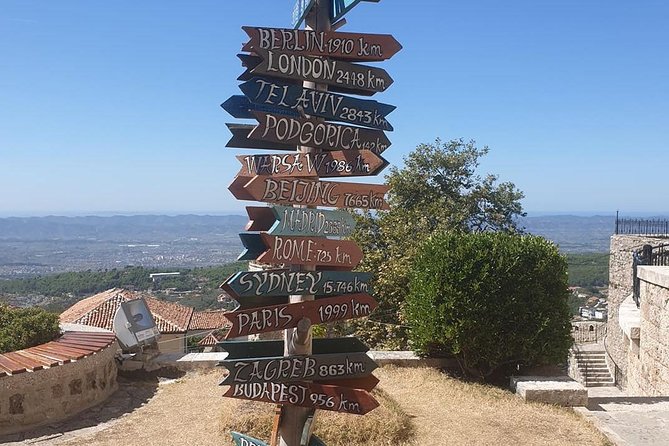
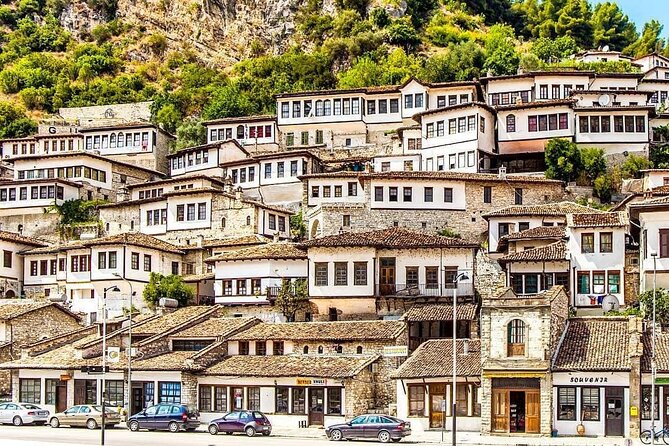
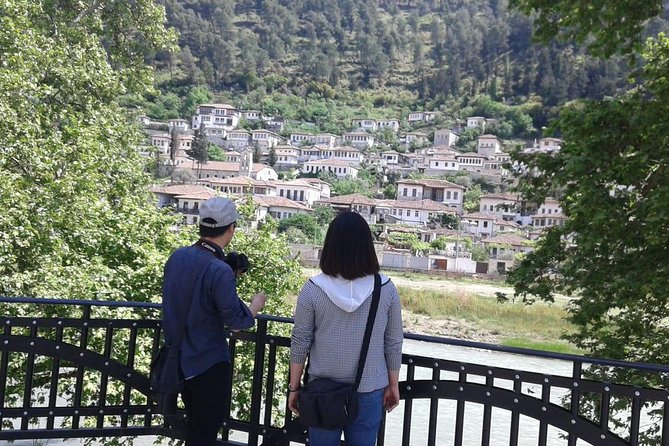
In Albania, Berat is next, famous as the town of 1001 windows. The old streets and hillside houses stack visually in layers, and the idea of residents living inside castle walls gives you a sense of how long the place has worked as a real home, not just a museum.
You then reach Berat Castle, plus a quick look at other medieval and religious remnants as part of the city loop. This is one of those stops where time feels short but photos can trick you. Go slow on the streets so you catch the window-over-window effect from different angles.
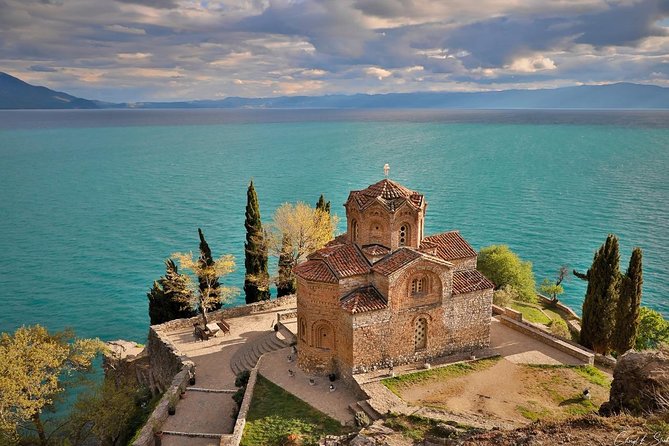
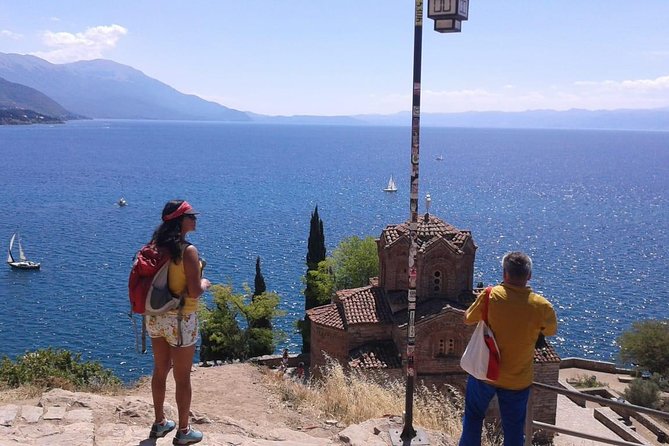
Then you drive to Ohrid, another UNESCO site tied to both the city and the lake. Ohrid has a long timeline, and the tour includes viewpoints like Church of St. John at Kaneo. You also learn why Ohrid is described as having 365 Orthodox churches, one for each day of the year.
The final stop of the day is small but memorable: the National Workshop for Handmade Paper (Ljupcho Panevski). You learn about paper making techniques linked to very old European traditions, and you can buy handmade paper as a souvenir that actually feels tied to the place.
Day 4: Skopje’s bridges, Prizren’s river city, and fortress views
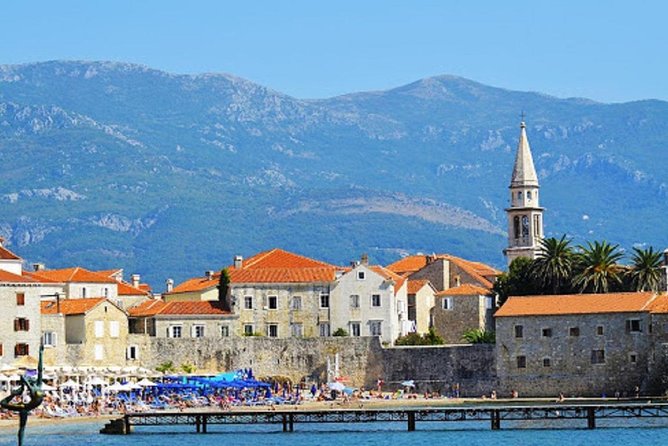
Day 4 moves into North Macedonia with Skopje first. Skopje is a mix of European and Ottoman influences, and the tour gives you a walk through key visual points.
You’ll stop at the Stone Bridge and see the Alexander the Great Statue area. Then the route includes the Art Bridge, leading you toward cultural sites. From there you wander through the Old Bazaar of Skopje, described as the biggest in the Balkans, with a blend of old trade routes and modern street life. You also see the cross on the mountain, a long-distance symbol.
Next is Prizren in Kosovo, known as the cultural capital of the region. The city sits around its river, which runs through the heart of the old town and under multiple bridges. That makes the walking experience feel different from a hill-only city.
You’ll visit the Sinan Pasha Mosque for its decorative arabesque style, then climb to Kalaja Fortress for the hilltop panorama. This is a day where weather matters. If you hit rain or wind, fortress time can feel chilly and slow.
Day 5: Slow food agro-tourism and a handmade mask workshop
Day 5 starts with an agro-tourism stop at Mrizi i Zanave (Restorant Agroturizëm). The big idea here is not sightseeing monuments, but learning how local food production supports jobs and preserves regional products. You get a farm tour, plus some free time for a traditional lunch or to buy fresh produce.
Then you continue to Shkoder, in Albania’s northwest, tied to the nearby lake and centuries of habitation. Shkoder’s inclusion works well because it gives the trip a slower, more nature-adjacent rhythm compared with dense city walking.
The day ends with a creative stop: the Venice Art Mask Factory. Here, you see papier-mâché masks made and painted by hand, inspired by Venetian carnival traditions. It is a fun change of pace, and it gives you something to take home that is more than a magnet.
This day is also a good reminder that not every “Balkan highlight” is a fortress or a cathedral. Crafts and food are part of the identity too.
Day 6: Shkodra Lake birdlife, Virpazar breaks, and Podgorica evenings
Day 6 begins with Lake Skadar, where the tour focuses on the lake as a natural reserve and bird habitat. You learn it is the largest lake in the Balkans and sits between Albania and Montenegro, with over 260 bird species, including pelicans and herons. You will also stop at a viewpoint area long enough to take it in.
Next is Virpazar, described as a lakeside gateway to the national park. This is where you slow down. You get time to stroll a small market area or relax with coffee or local wine while looking out over the lake.
Then you head to Podgorica, Montenegro’s capital, and you have optional time in the evening around landmarks like the Millennium Bridge, Old Ribnica River, and Independence Square. This is one of the more flexible segments, and it helps you avoid feeling trapped in a schedule every single hour.
If you love nature breaks, this day will feel like a necessary reset.
Day 7: Blagaj’s Buna spring and Mostar’s Old Bridge UNESCO icon
On Day 7 you cross into Bosnia and Herzegovina and visit Blagaj, near Mostar. Blagaj is set by a cliff with blue water in front of it, and the tour highlights the spring of the river Buna. It is a peaceful contrast to the bigger-city stops, and it gives you a “pause” moment before the more intense Mostar experience.
Then comes Mostar, and the centerpiece is the Old Bridge (Stari Most), UNESCO-listed and built in the 16th century in Islamic architectural style. The tour also takes you through the Old Bazaar, where the lanes and stalls create a lively sense of day-to-day life rather than a staged shopping strip.
A thoughtful added detail: there are stones around Mostar with “Don’t Forget” text, meant to commemorate history. You’ll also visit the Bišćevića Kuća, a preserved Ottoman riverside home that gives you a window into how wealthy families lived in the 17th century.
This day packs a lot of meaning into a relatively compact walk. If you only have time for one “big photo” stop on the entire tour, it will likely be Mostar.
Day 8: Back to Dubrovnik via the border
The final day is a wrap-up. Your tour leader brings you to the Croatian border, and then the local representative transfers you back to your Dubrovnik hotel.
This is the day you keep expectations realistic. You are not arriving with sightseeing brain, you are arriving with “let me finally sit down” brain.
Hotels, breakfasts, and meal reality
Accommodation is included on the nights, with breakfast provided. The operator notes rooms are in 3-star hotels, calculated based on double, twin, triple, or quad occupancy. If you want a single room, there is a 50 euro extra charge per night per person.
Breakfast is included for six mornings, but breakfast quality has been criticized in at least one guest account, and small rooms came up too. So I’d plan your expectations like this: you are paying for location coverage and transportation, not for big-room comfort.
Lunches, dinners, drinks, and snacks are not included. That can be a positive if you like choosing where to eat, but it does mean you will pay for meals throughout. Build in a daily budget so you do not end up stressed.
Transportation, timing, and one smart question to ask
This tour uses private transportation, which is a big upgrade versus jumping between public buses and trains. That said, timing can still be affected by real-world factors like weather, strikes, closures, or temporary site shutdowns.
There is also one transport detail worth asking about. On at least one departure, an electric car was used, and some guests reported that finding charging stations disrupted the itinerary enough to require extra walking. You can fix your peace of mind with a simple question before departure: will your vehicle be electric, and how is charging handled?
Guides and the “human factor” that makes or breaks the trip
The best part of this kind of route is not the checkmarks. It is the guide’s ability to connect dots across countries. Feedback around guides such as Migen A. points to schedule flexibility and strong explanations of the region.
Food recommendations also mattered. Gesi has been described as a host who offered useful suggestions, and that kind of local guidance can turn “I ate somewhere” into “I understood what I was tasting.”
For this itinerary, a good guide makes the long drive feel shorter because the story arrives while you travel.
Who should book this Balkans route, and who should skip it
You should strongly consider this tour if you want:
- UNESCO stops stacked in one trip, with walking time built into multiple cities
- A route that includes politics and culture, not just monuments
- A small-group setting where a guide can adjust pace when needed
You might skip it if:
- You hate long travel days and lots of city-to-city movement
- You are sensitive to hotel room size and breakfast quality
- You prefer choosing every meal yourself but still want meals included
Should you book Pearls of the Balkans from Dubrovnik?
If you are aiming for a first serious Balkan overview with a lot of UNESCO within a tight window, this tour makes sense. The price is premium, but it is also built around private transport, guided time, and admissions, which reduces the hidden costs you normally end up paying on your own.
My final advice is simple: before you book, ask about the vehicle type (especially if it is electric) and accept that your accommodation standard is 3-star with mixed feedback. If that fits your style, you will come away with a smart mental map of the Balkans, not just a pile of photos.
FAQ
What is the duration of the tour?
The tour lasts 8 days (approx.).
Where does the tour start and end?
It starts in Dubrovnik, Croatia. It ends back at the meeting point.
What time is the standard pickup?
The start time is 7:30 am.
Can I get picked up later, and where?
Yes. On request, pickup is free at 9:00 am in Dubrovnik or 11:00 am in Kotor, as long as you request it at least 12 hours before departure.
Is accommodation included?
Yes. The package includes BB (accommodation and breakfast) for all overnights in 3-star hotels.
Are meals other than breakfast included?
No. Lunches, dinners, drinks, and snacks are not included.
Are entry tickets included?
Yes. You get entry tickets for the sites that will be visited.
How many people are in the group?
The tour has a maximum of 10 travelers.
What language is the tour offered in?
The tour is offered in English.
Do I need my own travel insurance?
Yes. You are responsible for having your own health and travel insurance.
More Tours in Dubrovnik
More Private Days in Dubrovnik
More Tour Reviews in Dubrovnik
Fresh on the Dubrovnik shortlist

Dubrovnik Private Tours, compared.
 ★ 4.5Private Tour: Montenegro Day Trip from DubrovnikFrom $296495 reviews
 ★ 5.0Tour The Game of Thrones – Private Walking TourFrom $185464 reviews
 ★ 5.0Montenegro Private Full Day Tour from DubrovnikFrom $601376 reviews
 ★ 5.0PRIVATE TOUR: Highlights & Hidden Gems of Dubrovnik With LocalsFrom $104249 reviews
 ★ 5.0Old Town & City Walls Private Walking TourFrom $303206 reviews
 ★ 5.0Montenegro Private Tour from DubrovnikFrom $806193 reviews
 ★ 5.0Mostar, Pocitelj and Kravice Waterfalls Private Tour from DubrovnikFrom $653179 reviews
 ★ 5.0Dubrovnik Jewish Heritage Private Walking TourFrom $229121 reviews
Browse the lists this tour appears in