
Tour review · DUBROVNIK PRIVATE TOURS
Dubrovnik to Tirana; Semi – Private Tour with Tour Leader & Car
Your Balkans road trip starts with medieval Dubrovnik. This semi-private Dubrovnik to Tirana experience strings together iconic old towns, Ottoman architecture, and real local food, with a max 10 group and pickup from Dubrovnik Town.
I especially love how the route balances big-name sights with smaller, more personal stops, like Bišćevića Kuća in Mostar and the handmade Venice art mask workshop in Albania. You’ll also finish with a proper Tirana food tour that goes beyond a quick bite.
One drawback to plan for: the schedule is active. You’ll do walking on uneven ground and spend long stretches in a car, so you’ll want moderate fitness and patience for travel days.
Key highlights worth your time
- Small group max 10 for a semi-private feel instead of a cattle-car tour
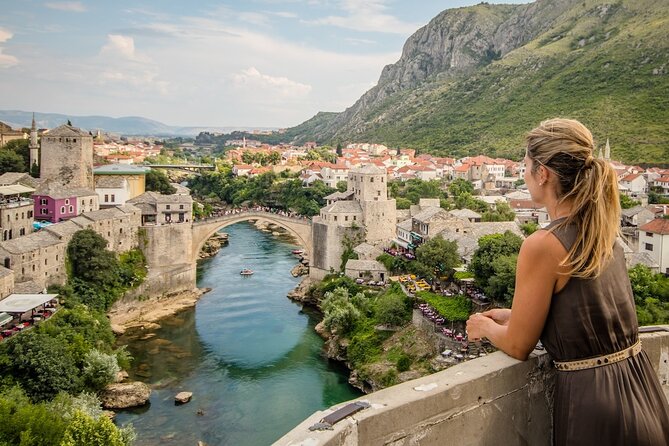
- Stari Most in Mostar plus Ottoman-era architecture at Bišćevića Kuća
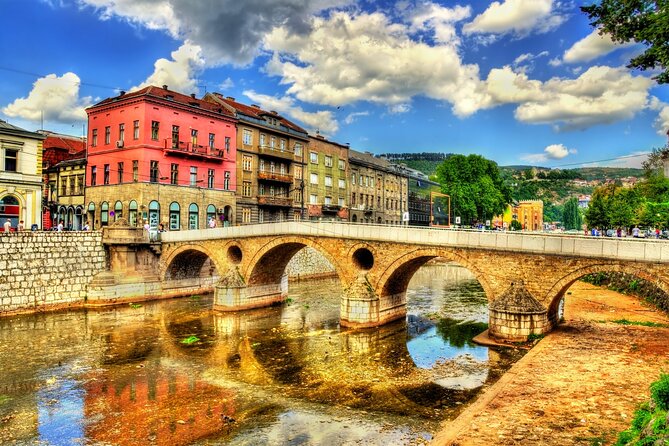
- Sarajevo war relics and Latin Bridge explained as more than postcards
- UNESCO stops like Kotor old town and Decan monastery frescoes
- Hands-on crafts and food including a Venetian-style mask factory and Tirana byrek with grape raki
- Multiple countries in one loop with hotel breakfasts included for most nights
Other days with a guide kept just to yourself
- Private Tour: Montenegro Day Trip from Dubrovnik★ 4.5 · 495 reviews
- Tour The Game of Thrones – Private Walking Tour★ 5.0 · 464 reviews
- Montenegro Private Full Day Tour from Dubrovnik★ 5.0 · 376 reviews
- PRIVATE TOUR: Highlights & Hidden Gems of Dubrovnik With Locals★ 5.0 · 249 reviews
Dubrovnik to Tirana as one long, logical road trip
This is the kind of trip that works because it follows a real corridor across the Balkans: Dubrovnik, then Bosnia, Montenegro, Albania, and Kosovo, before ending in Tirana. Instead of hopping flights, you see how cultures and architecture shift as you cross borders and change landscapes.
I like that you start with Dubrovnik already handled, because the tour begins the moment you step out of the medieval center. You get a driver pickup at 07:00 am and head toward the border where you meet your tour leader. That timing matters. It reduces wasted time on your first day and sets the pace for the rest of the loop.
Also, the semi-private setup is practical. With a group capped at 10 travelers, you’re more likely to get quick answers and course-correcting if timing or weather gets weird.
Price and value: what your money is really covering
$3,433.11 per person for an approx 8-day tour is not a budget number. But it’s easier to judge value when you look at what’s included.
Here’s what you do get for the price:
- 3-star hotel stay with breakfast for 7 mornings (BB is included for all overnights)
- Transport in a company car plus tour leader
- Tourist and road taxes and petrol
- A mix of included admissions and guided stops, such as:
- Bišćevića Kuća (included)
- Latin Bridge (included)
- Saint Ivan Church (included)
- Venice Art Mask Factory (included)
- Sinan Pasha Mosque (included)
- Kalaja Fortress (included)
- Kruja Castle (included)
- Small but memorable extras like the Ottoman style coffee or tea in Sarajevo
- A food tour in Tirana with tastings and a sit-down meal (plus grape raki)
What you don’t get: lunch, dinners, drinks, and snacks are generally on you. The one big food meal built in is in Tirana, where you’ll also try byrek and taste grape raki.
So the value case is strongest if you want the drive handled, hotel breakfasts secured, and the itinerary connections made for you. If you’d rather slow down, linger in one city, or build your own routing, you might feel the price for moving daily.
Pickup timing and semi-private format, what to expect on day one
The tour starts in Dubrovnik, and pickup is within Dubrovnik Town. There’s an important real-world note: cars may not enter some parts of Dubrovnik Town. That means you should be ready to walk a bit to where the driver can access the street.
At 07:00 am, the driver shuttles you to the border area, and that’s where you meet the tour leader for the main part of the trip. This setup is meant to smooth the cross-country logistics.
The tour also runs in English. And because it’s limited to a small group, it tends to feel more like a guided road trip than a “stand in line and follow the flag” style of sightseeing.
From past participants, I also took comfort in the way guides were described: people cited organizers who communicated fast, and guides such as Ana, Taulant, Nelly, and Gezim being responsive and helpful. If you’re the type who likes clear answers and flexible problem-solving, this company style seems to fit.
Day 1: Dubrovnik to Mostar, Stari Most and Bišćevića Kuća
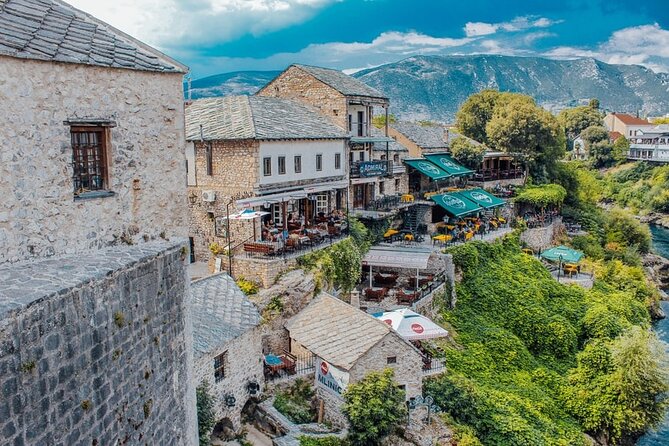
Day one is about leaving Dubrovnik behind and stepping into Ottoman Bosnia. After the border meetup, the tour heads to Mostar and centers the visit on Stari Most, also called the Old Bridge. It’s a UNESCO World Heritage site and the bridge style connects to the Islamic architectural character of the region.
What I like here is the pairing of the big landmark with the old-town texture. Stari Most is the headline, but the Old Bazaar is where you start to feel the city’s rhythm, with its narrow lanes and old building fabric. You’ll also spot commemorative elements around town, including the phrase Don’t Forget on stones that reference Mostar’s history.
You get free time to wander, not just a quick walk-by. That matters because Mostar rewards slow looking. Then you move to Bišćevića Kuća, an Ottoman riverside home built in the 17th century. This stop is only about 30 minutes, but it’s a smart use of time. A bridge is one kind of heritage. A preserved residence is another, and it helps you understand what Ottoman daily life looked like beyond architecture.
More days handed to a private guide
- Mostar and Kravice Waterfalls Tour from Dubrovnik (Semi-Private)
★ 5.0 · 3,125 reviews - Dubrovnik: Blue & Green Caves Private Boat Tour with Drinks
★ 4.7 · 814 reviews - Dubrovnik Private Speedboat Tour to Elaphite Islands with Drinks
★ 5.0 · 660 reviews - Private Tour: Montenegro Day Trip from Dubrovnik
★ 4.5 · 495 reviews - Tour The Game of Thrones – Private Walking Tour
★ 5.0 · 464 reviews
Day 2: Sarajevo war scars, Latin Bridge, and a Turkish coffee pause
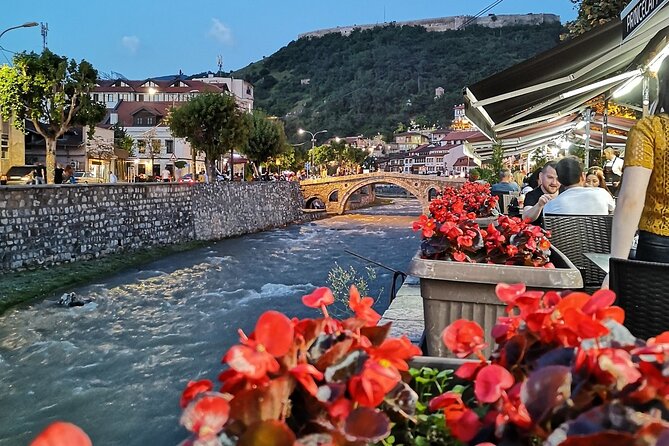
Sarajevo is one of the most emotionally loaded stops on the whole route, and this itinerary doesn’t treat it like a photo spot only. After breakfast, you drive from Mostar and begin a walking-style day with some uneven terrain and ruins.
You’ll see visible reminders of the Yugoslav War, including bullet holes and cannon marks. There’s also a guided focus on origins of Sarajevo and the medieval Bosnian kingdom, before shifting into the Ottoman and Austria-Hungarian parts of the city. That mix is useful because Sarajevo is not just one era. It’s a layered city where different empires shaped the streets, markets, and religious sites.
The highlight stop is Latin Bridge, and the guide explains its role in the story of how World War I was triggered here. Even if you know the general outline, I like that the tour connects the name Latin Bridge to the actual neighborhood connection: it links the right bank of the Miljacka with the Catholic quarter, called Latinluk informally in Ottoman times.
Then you get a built-in break at Caffe Divan for Turkish coffee or tea, complimentary. This is one of those small inclusions that makes the day feel human. You’re walking history all morning, so a calm pause helps you absorb what you just saw.
Day 3: Blagaj spring and Kotor’s UNESCO old town maze
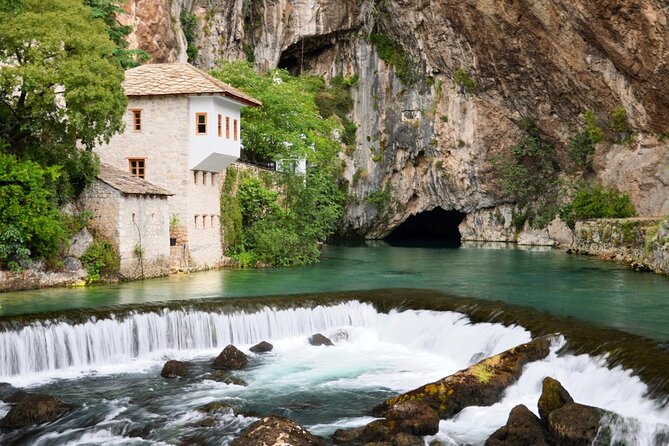
Day three is a change of pace. You head to Blagaj, outside Mostar, known for its spring and setting under a cliff. The Buna River spring gives you that classic Balkans contrast, blue water and stone, with an Ottoman medieval feel in a compact area.
This is scheduled for about an hour. It’s not long, but it’s enough time to appreciate the view and take a few photos without feeling rushed through a “checklist.”
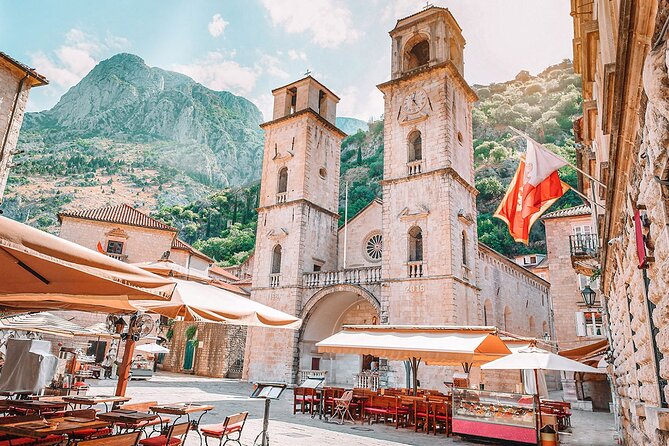
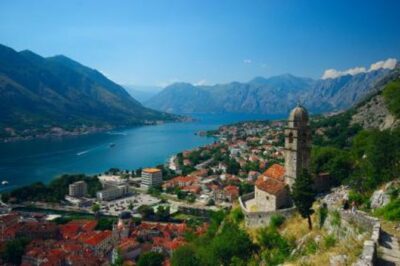
Then you continue toward Kotor in Montenegro, a UNESCO World Heritage site. Kotor’s old town is famous for its tight street plan that feels chaotic at first. The tour explains why the streets are arranged this way, including the idea that it confused intruders who might have tried to plunder the town. That’s the kind of context that turns a walk into a story.
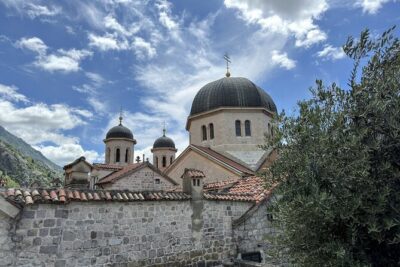
You’ll wander through narrow cobblestone streets and visit Saint Luke’s Church. You also get a key benefit: an afternoon for yourself. That time matters in a long road trip because it lets you choose whether you want to climb, browse, or just sit and watch street life.
Day 4: Budva, Stari Montenegro views at Sveti Stefan, then Shkoder
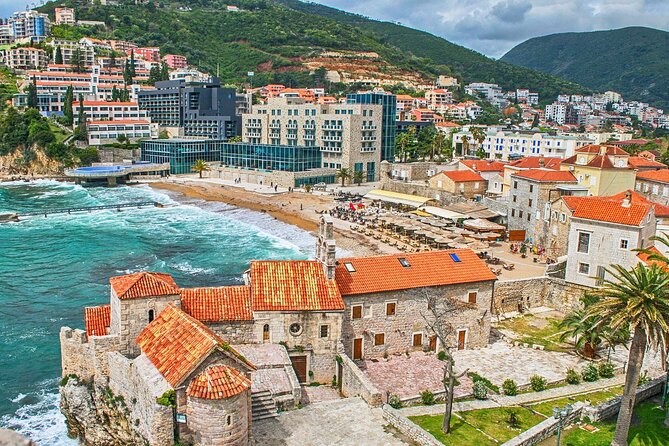
Budva starts your fourth day, with a split personality: new Budva for modern streets and old Budva for the historic center. The tour focuses on the old side with a stop at Saint Ivan Church and time to explore the medieval center.
Budva is also a practical stop if you want a break from “only stone and temples.” You get sea-city energy, plus quick sightseeing that doesn’t swallow the whole day.
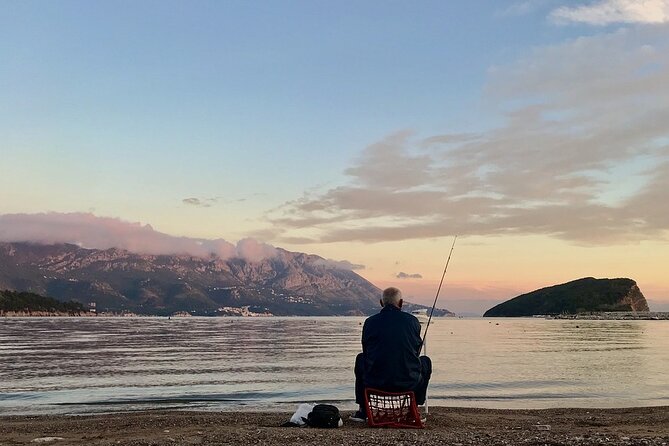
Then comes a stop near Sveti Stefan. You won’t visit the island because it functions as an exclusive residential resort. But you do get that postcard-perfect coastal view from the shore, and that’s often what people really want from this location.
Next, you cross into Albania and arrive in Shkoder. Shkoder connects you to the region’s longer timeline, including influences from Venetian-style architecture. You’ll visit Rozafa Castle, which looks over the lake and rivers meeting toward the Adriatic. There’s also a cultural note about handmade Venetian masks being produced in Shkoder, and that leads neatly into your next stop.
You’ll visit a Venice Art Mask Factory, where papier-mâché masks are hand-painted and decorated. This is not “buy a souvenir and leave.” It’s an actual workshop vibe, and it gives you a tangible link between regional crafts and Venetian traditions.
Day 5: Mrizi i Zanave slow food farm and Prizren, Kosovo’s cultural mix
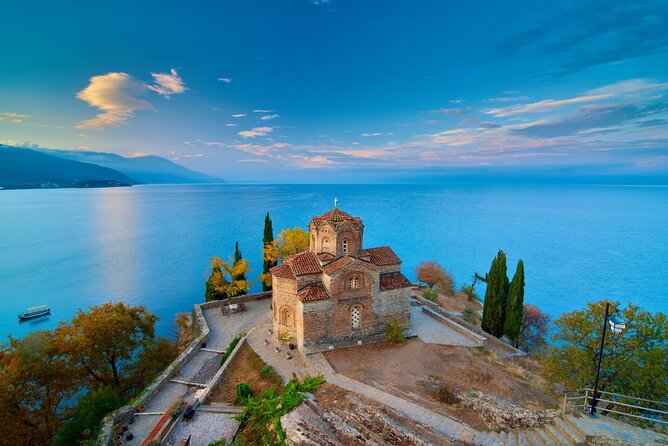
Day five is one of the most enjoyable days because it blends food culture with city sightseeing. You start at Mrizi i Zanave (Agroturizëm), described as a top slow-food agro-tourism farm in the Balkans.
The tour includes a walkthrough of how the farm operates, including how it preserves regional bio fresh products and the way the family business repurposed older communist-era buildings for storage. You also get free time to enjoy traditional lunch or buy fresh produce. Lunch isn’t included in the tour price, but the stop is clearly designed to make food part of the experience, not an afterthought.
In the afternoon you head to Prizren, often called the cultural capital of Kosovo. The tour frames Prizren as a crossroads shaped by Illyrian settlement and Byzantine-Ottoman influences. The river running through the old town and the bridges crossing it give the city a “moving through layers” feeling.
You also get a guided stop at Sinan Pasha Mosque, known for arabesque color and pattern. Then you visit Kalaja Fortress for panorama views. After that, there’s a free afternoon in Prizren, which is smart. Kosovo cities often reward unplanned wandering.
Day 6: Gjakova bazaar, Decan monastery UNESCO frescoes, and Rahovec wine valley
Day six starts in Gjakova, with a stop at the city’s bazaar. The bazaar is described as the oldest and largest in Kosovo, and you’ll hear how it was destroyed in wars, then rebuilt again.
This is one of your best days for craft browsing and people-watching. You can enjoy a meal or explore shops with traditional handmade crafts. The tour also encourages you to watch artisan workshops, where you can see traditional techniques passed down.
Then you move to Decan Monastery, a UNESCO site since 2004 because of its frescoes. It’s a bit different from the other stops. The monastery remains in use by Orthodox monks, and you may see evidence of their daily life and fresh organic food production, like cheeses.
From there, you drive through the Rahovec Valley, famous for viticulture. The tour links grape cultivation to Illyrian times, then explains altitude and the valley’s ideal conditions for wine. There’s also mention of an annual wine festival every September.
This day is long on meaning. You’ll bounce from trade and rebuilding (bazaar), to spiritual art (frescoes), to agriculture and production (wine). If you like variety, this itinerary keeps you awake and interested.
Day 7: Kruja, Albanian resistance, bazaar wood houses, and castle hidden paths
On day seven you get to Kruja, a city strongly tied to Albanian resistance against Ottoman expansion in the 15th century. Kruja sits on rocky mountainous terrain, and the tour uses that geography to explain why the city mattered strategically.
You start with time around the Kruja Bazaar, including narrow streets and wooden houses. This is described as one of the biggest and oldest medieval bazaars in the Balkans, and it’s the main place in Albania for souvenir shopping. If you want carpets, jewelry, or handmade items, this is where the itinerary points you.
Then you visit Kruja Castle. The guide explains that the castle was positioned on a hilltop to make attacks difficult. You’ll also be taken through some hidden paths used by locals to leave unnoticed during enemy periods, which makes the fort feel less like scenery and more like lived defense.
You end the day with about an hour of free time for lunch and shopping.
Day 8: Tirana food tour, byrek at a local spot, Pazari i Ri, and grape raki
The last day in Tirana is designed around food and everyday city life, not just monuments. You meet a local companion for a city experience focused on culinary treasures, with the direct nudge to come with an empty stomach.
You start at a small local place known to locals, where you try byrek, a classic Albanian specialty made of thin layers of dough filled with cheese, meat, spinach, or other ingredients. Then you head to Çam bazaar, where you can browse goods from clothing to kitchen equipment and bargain with sellers for a better price.
Next you visit Pazari i Ri, a lively market known for second-hand goods. This is a nice change of pace if you’ve been shopping for new souvenirs for days. You can “hunt” for a pre-loved item that catches your eye, then keep moving.
After that you go to the New Bazaar for a traditional Albanian meal with regional specialties. You also taste Albanian grape raki. This is a rare tour finish that actually teaches you taste and culture together, not just sight-seeing and leaving.
Who should book this Dubrovnik to Tirana loop
This tour fits best if you:
- Want a guided road trip that links Mostar, Sarajevo, Kotor, Shkoder, Prizren, Decan, and Kruja without planning the driving yourself
- Like history with human context, including war-era scars and how cities rebuilt
- Care about food experiences, especially the built-in Tirana tastings and meal
- Prefer a small group over big-bus tours
It may not fit if you:
- Want a slow travel pace with lots of long stays in one city
- Feel uncomfortable with walking on uneven terrain or a schedule with frequent transit
- Expect all meals to be included, because most lunches and dinners are not part of the package
On safety, I’ll say this carefully: past participants mentioned feeling safe in Albania, and also cited Kosovo, Montenegro, and even North Macedonia in separate context. Safety perceptions still vary person to person, but it’s reassuring that people did not report fear as a theme.
Should you book it
I’d book this trip if you want one of the best ways to cover a lot of the Balkans with a guide, hotels, breakfast, and a clear story connecting cities across borders. The value is strongest for the included transportation, the guided UNESCO and Ottoman-focused stops, and the fact that food is treated as part of the itinerary.
I wouldn’t book it if you’re hoping for an ultra-relaxed pace, or if you need every meal included. Also, check your comfort level with uneven walking and long car days.
If you like strong route planning and guided interpretation, this is a good “first big Balkans loop” option. If you prefer to linger, you might save money by doing fewer stops and spending more nights in each place.
FAQ
What does the tour include for meals and drinks?
Breakfast is included for 7 mornings. You’ll also have an Ottoman style coffee or tea in Sarajevo. The Tirana day includes a food tour with tastings and a traditional meal, plus Albanian grape raki. Lunches, dinners, drinks, and snacks are not included.
Is pickup offered, and where does it happen in Dubrovnik?
Yes. You get hotel pickup in Dubrovnik Town. Cars may not enter some parts of Dubrovnik Town, so you may need to walk to where the driver can access the street. Pickup is at 07:00 am.
How long is the trip, and what are the main countries covered?
The duration is listed as approx 8 days. The route covers Croatia, Bosnia & Herzegovina, Montenegro, Albania, and includes stops in Kosovo.
What language is the tour offered in?
The tour is offered in English.
Are tickets or admissions included?
Some admissions are included, including Bišćevića Kuća, Latin Bridge, Saint Ivan Church, Venice Art Mask Factory, Sinan Pasha Mosque, Kalaja Fortress, and Kruja Castle. Other stops list admission as free or not included, depending on the location.
What physical level do I need?
The tour notes moderate physical fitness is recommended. You’ll do walking on uneven terrain, including in Sarajevo, and you’ll move through historic old towns.
How big is the group?
The tour has a maximum of 10 travelers.
More Tours in Dubrovnik
More Private Days in Dubrovnik
More Tour Reviews in Dubrovnik
Fresh on the Dubrovnik shortlist

Dubrovnik Private Tours, compared.
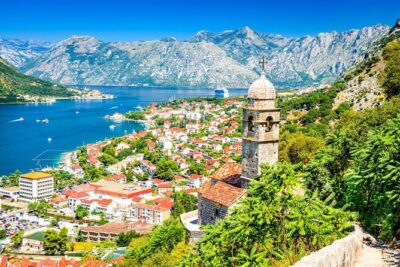 ★ 4.5Private Tour: Montenegro Day Trip from DubrovnikFrom $296495 reviews
 ★ 5.0Tour The Game of Thrones – Private Walking TourFrom $185464 reviews
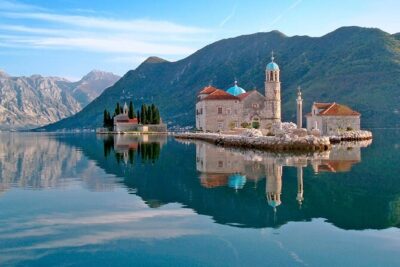 ★ 5.0Montenegro Private Full Day Tour from DubrovnikFrom $601376 reviews
 ★ 5.0PRIVATE TOUR: Highlights & Hidden Gems of Dubrovnik With LocalsFrom $104249 reviews
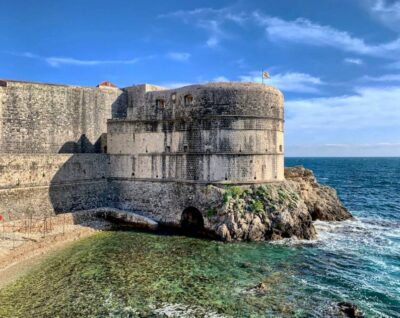 ★ 5.0Old Town & City Walls Private Walking TourFrom $303206 reviews
 ★ 5.0Montenegro Private Tour from DubrovnikFrom $806193 reviews
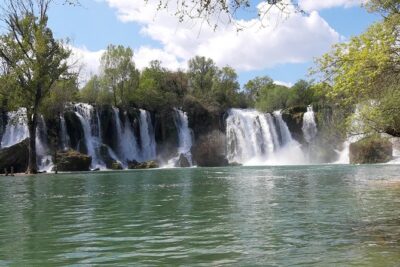 ★ 5.0Mostar, Pocitelj and Kravice Waterfalls Private Tour from DubrovnikFrom $653179 reviews
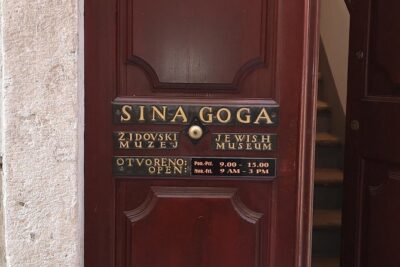 ★ 5.0Dubrovnik Jewish Heritage Private Walking TourFrom $229121 reviews
Browse the lists this tour appears in