
Tour review · DUBROVNIK PRIVATE TOURS
Dubrovnik to Athens; Semi – Private tour with Tour Leader & Car
Dubrovnik to Athens by car is the rare trip that changes countries daily. You get UNESCO stops, Ottoman and Balkan flavors, and a driver/tour leader setup that keeps you moving without feeling rushed.
I especially like the hands-on culture built into the route, from Old Bazaar wandering to Sarajevo’s coffee ritual and Tirana’s food tour. I also like the tight focus on named sights with included entry tickets, so you spend less time figuring out logistics.
One thing to consider: you will spend a lot of time in the car. On a route this long, a couple of long drive days and limited time at certain places (like Meteora) can feel like a tradeoff.
Key Highlights You Should Care About
- Semi-private group, max 10 travelers for a calmer pace than a big bus.
- Included hotel stays with breakfast (3-star) plus tourist taxes, so your daily costs are easier to estimate.
- UNESCO-heavy route across Bosnia, Montenegro, Albania, North Macedonia, and Greece.
- Specific local food moments: Ottoman coffee or tea in Sarajevo, and a full food tour in Tirana.
- Practical border and pickup setup in Dubrovnik Town where cars cannot enter all streets.
Other days with a guide kept just to yourself
- Private Tour: Montenegro Day Trip from Dubrovnik★ 4.5 · 495 reviews
- Tour The Game of Thrones – Private Walking Tour★ 5.0 · 464 reviews
- Montenegro Private Full Day Tour from Dubrovnik★ 5.0 · 376 reviews
- PRIVATE TOUR: Highlights & Hidden Gems of Dubrovnik With Locals★ 5.0 · 249 reviews
Leaving Dubrovnik: Pickup, Border Hop, and How the Trip Starts
Your trip starts in Dubrovnik Town, but cars may not be able to enter every alley and side street. That is why pickup is arranged from the nearest point of your hotel that the vehicle can reach. It is a small detail, but it matters, because it saves time and avoids awkward last-minute hunting in the old streets.
After that quick shuttle, you meet your tour leader and get set up for the border crossing. This is where the “guided, not chaotic” feel begins. You are not just getting transferred, you are getting briefed and routed into the right next step.
Mostar Old Bridge and Bišćevića Kuća: Ottoman-Era Beauty You Can Walk Through
Mostar is the first big emotional hit. You go straight to Stari Most, the iconic Old Bridge, and it sits right where the city’s historic identity is strongest. Even if you have seen photos before, seeing it in person changes the scale and the mood fast.
Then you move into the Old Bazaar area and wander cobbled lanes that feel like they are still doing their old job. You also get the Bišćevića Kuća (Biscevic House), one of the finest examples of Ottoman residential architecture in the region. This stop is short, but it adds depth, because it shows everyday life, not only monuments.
Tip: wear shoes you can trust on uneven stone. Mostar’s charm is in the walkways, not in smooth sidewalks.
Sarajevo’s Bullet Marks, Latin Bridge, and the Café Stop That Feels Like a Ritual
Sarajevo is where the trip slows down mentally. The walking includes uneven terrain and you will see reminders of the Yugoslav War, including bullet holes and cannon marks around town. That is heavy, but it makes the story of the city feel real and not like a museum display.
You also get the full layered view: Ottoman and Austria-Hungarian parts of Sarajevo, plus markets, bazaars, mosques, churches, and synagogues. The city is often described in a single line, but here you see the pattern with your feet.
A practical standout is Latin Bridge, tied to the story of how WWI was triggered. The tour connects the street-level geography to world events, which is exactly what you want from a guided day.
And then there is the small but memorable touch, a complimentary Ottoman-style coffee or tea at Caffe Divan. It is not just a drink stop. It is the kind of pause that helps you digest a day that is emotionally intense.
Blagaj and Kotor: Two UNESCO-Minded Cities, One Afternoon to Breathe
Blagaj is a short visit with a strong sense of place. You see the Ottoman medieval town setting near the spring of river Buna, with the cliff and water creating a very distinctive atmosphere. The time is limited, but it works as a palate cleanser between larger cities.
Kotor adds the UNESCO old-town wander. You will walk through narrow cobbled streets that can feel chaotic at first, but the plan was designed to confuse intruders historically. That idea makes the streets make sense in your head, instead of just feeling like a maze.
You also visit Saint Luke’s church, which locals connect to unity. Then you get afternoon time to explore at your own rhythm. That free time is valuable on this kind of route because you can return to what caught your eye, not only what is on the agenda.
More days handed to a private guide
- Mostar and Kravice Waterfalls Tour from Dubrovnik (Semi-Private)
★ 5.0 · 3,125 reviews - Dubrovnik: Blue & Green Caves Private Boat Tour with Drinks
★ 4.7 · 814 reviews - Dubrovnik Private Speedboat Tour to Elaphite Islands with Drinks
★ 5.0 · 660 reviews - Private Tour: Montenegro Day Trip from Dubrovnik
★ 4.5 · 495 reviews - Tour The Game of Thrones – Private Walking Tour
★ 5.0 · 464 reviews
Budva, Sveti Stefan, and Shkodra: Coastal Views, Then Up to Castle Territory
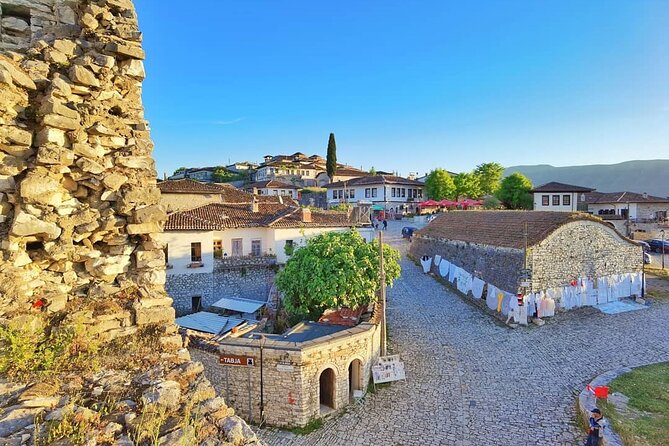
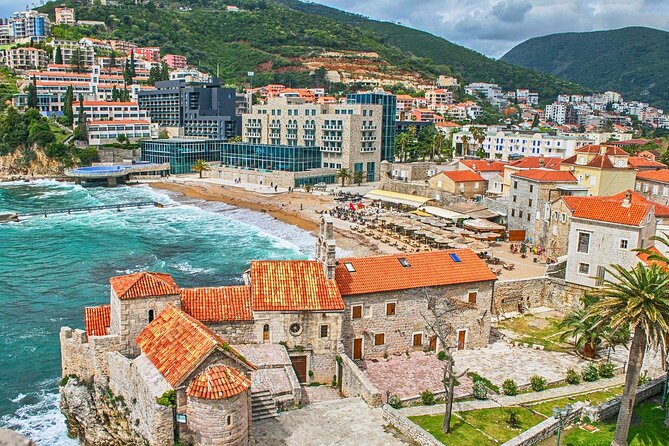
Budva is split into Old Budva and New Budva, and the contrast is a useful lesson in how tourist areas evolve. Old Budva gives you the historic center and church stops, while New Budva shows the modern side of the coast.
Near Sveti Stefan, you get a quick photo-stop moment. The island resort is no longer open for a visit, but the viewpoint still delivers the classic coast scene.
Then the trip climbs north to Shkodra, with its long habitation story and a Venetian influence you can spot in the architecture. The Rozafa castle visit gives you big views over the lake and three rivers meeting toward the Adriatic. Castle viewpoints are one of the best ways to understand a region in a short time.
The Venice Art Mask Factory in Albania: A Small Craft Stop That Actually Works
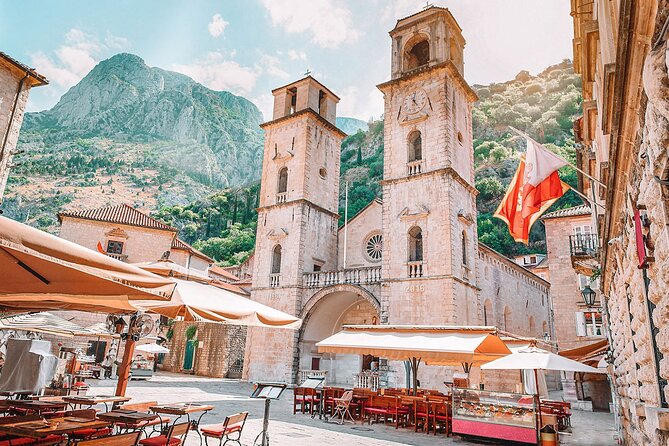
One of my favorite “short stop” choices on this itinerary is the Venice Art Mask Factory in Albania. You watch papier-mâché masks being created by hand, and you get color and design that ties back to Venetian traditions. It is the kind of stop that makes you feel like you are learning a craft, not just collecting a photo.
Because the time is about 30 minutes, it does not steal your day. It gives you something tangible to take home too, even if you decide not to buy.
Slow Food in Kosovo: Mrizi i Zanave and the Practical Joy of Eating Local
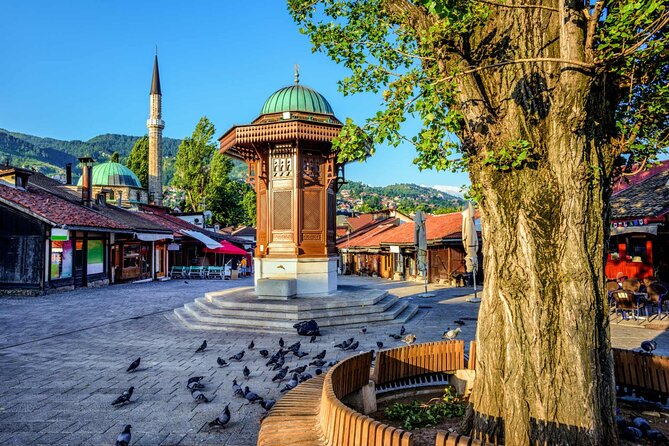
In Kosovo, you step into one of the best slow-food agro-tourism farm experiences in the Balkans, Mrizi i Zanave. You get a tour of the farm, learn how it created jobs for hundreds in the surrounding area, and see how they preserve and process bio products.
The tour also notes how older communist buildings were adapted for storage. That detail matters because it shows how people reused the past instead of pretending it does not exist. Then you get free time for a traditional lunch or shopping for fresh produce.
The best part for your day planning: lunch here is your choice, not a forced group meal. That flexibility helps on long-drive routes, where hunger and timing can get unpredictable.
Prizren: Mosques, Fort Views, and a Town Built for Wandering
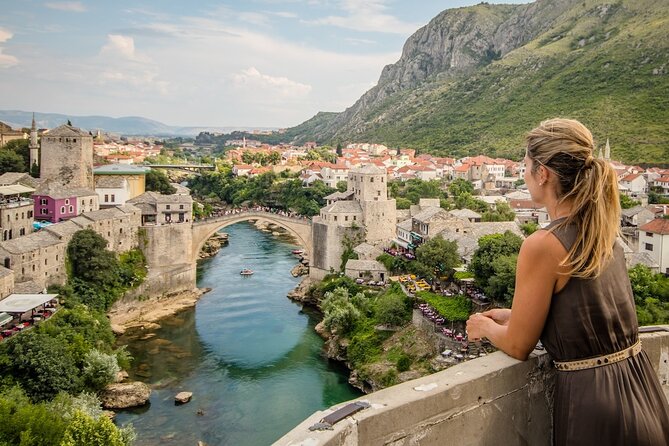
Prizren is often described as a cultural crossroads, and the city layout supports that idea. You walk past bridges and along the river through the old town, and the architecture reflects Ottoman and Byzantine-era influences. It feels international in a good way, without turning into a generic tourist theme park.
You get a key mosque visit at Sinan Pasha Mosque for rich arabesque color and pattern. Then you go up to Kalaja Fortress for a hilltop panorama. Fortress views are worth it here because Prizren’s river spine and old streets become easier to understand when you can see the shape from above.
You also get free afternoon time later in Prizren, which is a smart decision for a city like this. Some towns reward repetition, and Prizren is one of them.
Gjakova Bazaar and Decan Monastery: Crafts, Frescoes, and Monks Still Living On-Site
Gjakova is about the bazaar. The oldest and largest in Kosovo, it has been rebuilt after multiple wars, which you can feel when you walk through it. It is not a sterile shopping street. It is a working marketplace, with handmade crafts and artisan workshops.
Then comes Decan Monastery, with a white look and living monks. UNESCO-listed frescoes make the monastery a cultural anchor, and the fact that the monks still inhabit the complex adds everyday realism.
If you care about art and religious heritage, this is one of the stops that makes the trip feel academically worthwhile. If you care mostly about scenery, you still get a calmer, slower pace than you get in many city days.
Kruja and Tirana: Old Bazaar Shopping Plus Real Food Day
Kruja brings Albanian resistance history into the physical streets. The Medieval Old Bazaar is one of the largest and oldest in the Balkans, and walking through narrow lanes with wooden houses gives you that sense of travel through time.
Then you visit Kruja Castle. The tour leader takes you through hidden paths used historically to leave the castle without being noticed during sieges. Even if you only catch part of that story, it makes the castle feel more strategic than scenic.
In Tirana, the day is built around eating and neighborhood wandering. There is a local food guide and time to try byrek, thin-layer pastry filled with options like cheese, meat, or spinach. You also visit Tregu Çam bazaar for goods and bargaining, plus Pazari i Ri for second-hand finds.
The meal finish is traditional Albanian food plus Albanian grape raki. It is exactly the kind of included experience that makes a tour feel like more than a checklist.
Practical note: budget for extra drinks and snacks because dinners and most lunches are not included on this tour.
Ohrid and St John at Kaneo: UNESCO Lake Views and the Paper Museum Souvenir
You get to North Macedonia with Struga first, then Ohrid, which has UNESCO status. The viewpoint stop at Church of St John at Kaneo is a classic for a reason. From there, the lake looks like it belongs to the city, not next to it.
You also hear why Ohrid matters religiously, with a reputation for 365 Orthodox churches. Then you see how Ottoman-era home architecture shaped the streets with narrow lanes, tunnels, and tiny yards that follow the hillside.
The Paper Museum stop is small but smart. Handmade paper production techniques are explained, and you can buy handmade paper as a souvenir. It is a nice alternative to the usual magnet or mass-market trinket.
St Naum, Tushemisht, and Drilon Park: Nature Stops That Break Up Long Driving Days
St Naum is at the source of river Crni Drim, near Lake Ohrid. You are in a protected national park setting, and the water and greenery make it feel like a different kind of travel day than the cities.
Then you cross back toward Albania and stop in Tushemisht, described as a hidden spot for street vendors. You can browse local preserves, honey, herbs, and handmade souvenirs. This stop is short, but it gives you a chance to interact with everyday commerce instead of museum-only culture.
Drilon National Park is another pause that helps you reset. You have springs forming a small lake and a shoreline with weeping willows. It is the kind of place where even a quick walk can make a road-heavy itinerary feel bearable.
Berat, Gjirokaster, and Onufri: When Windows, Castles, and Painting Matter
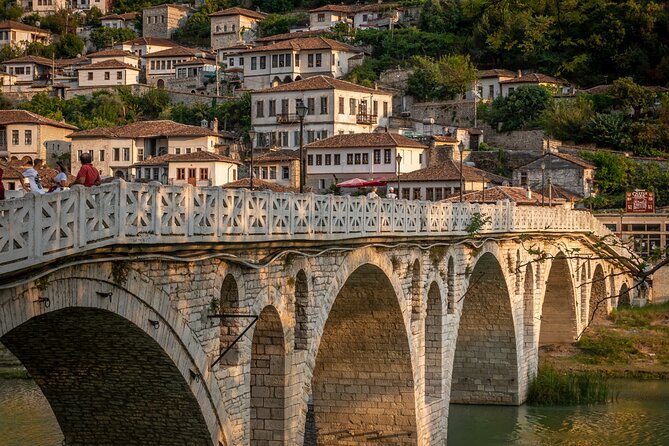
Berat is known as the town of 1001 windows, and the visual logic becomes obvious when you walk the hillside stone streets. The city has layered origins from Illyrian settlement to later castle-city identity, and UNESCO status is tied to the historic town structure.
Your visits include Berat Castle and the National Iconographic Museum Onufri. The Onufri museum ties the story to a specific painter and his signature reddish color, which is harder to imitate. That stop is great if you want culture that is specific, not vague.
Gorica Bridge is another small stop that helps you connect the old neighborhoods. You get a feel for how people moved between areas in the past.
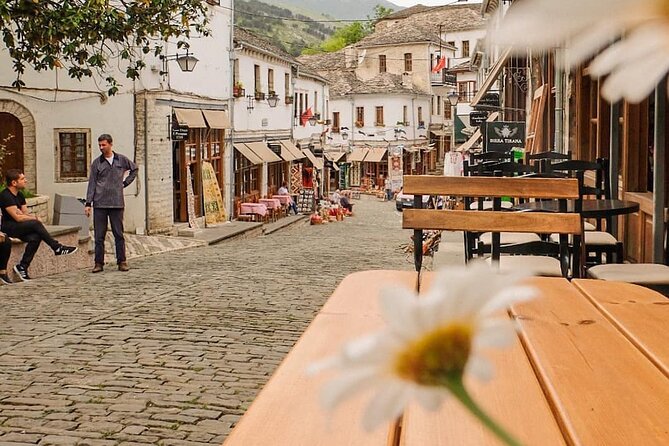
Then Gjirokaster, called The Stone City, turns the dial up. Every house can feel like a fortress, and the town’s preservation makes it feel like walking through an old defense system. You also get time in the old bazaar area and visits to well-preserved houses.
A nice finale in Albania is the Barrels Winery area. You have free time for lunch among vineyards and countryside scenery. Even though lunch is not included, the stop is timed so you can relax in a scenic setting before the next travel block.
Ioannina and Meteora: The Greek Finish Line With One Big Sunset Moment
In Ioannina, you explore the old town streets and see Byzantine and Ottoman-era architecture. Then you go to Ioannina Castle, where narrow historic streets sit inside the fortress walls. Cafes and traditional Greek food options are part of the free-wander vibe.
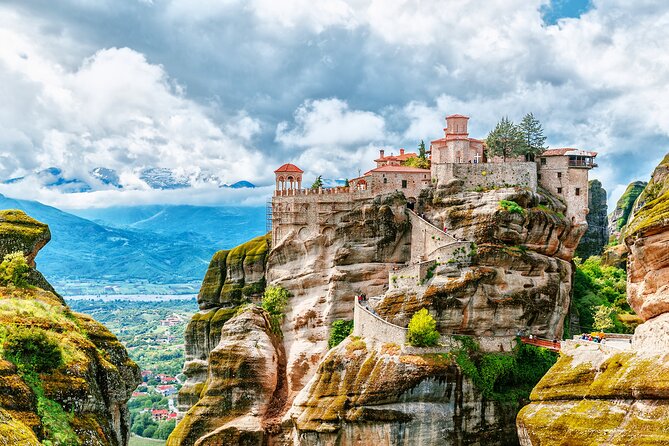
Then Meteora comes with UNESCO status and monasteries built on rock formations. You get included admission tickets and time to enjoy the dramatic setting. The tour schedule specifically calls out an amazing sunset, and that is one of the best ways to experience Meteora because the light changes every few minutes.
Tip: sunsets can mean stairs and uneven ground. If you have any mobility limits, bring footwear and take breaks when you need to.
Price and Logistics: Does $6,020.56 Per Person Feel Like Value?
This is a premium price, so you should judge it by what is actually covered. You get 14 days across multiple countries, with 3-star hotels and breakfast included, plus tourist taxes. You also get a professional tour leader and private transportation, which usually costs more than people expect on long routes like this.
You also get entry tickets for sites visited on the itinerary, and you get a few “experience upgrades” that are normally extra, like:
- Ottoman-style coffee or tea in Sarajevo
- the Tirana food tour
- ticketed stops at major sights like Mostar, mosques, monasteries, and UNESCO sites
What is not included is just as important. Lunches, dinners, drinks, snacks, and souvenirs are on you. On a trip like this, those add up, so I recommend thinking of the price as covering the heavy stuff: hotels, transport, and admissions. Your daily spending becomes mostly meals and personal items.
One more practical note: the itinerary is long and includes several days with significant driving time. That can be okay if you enjoy seeing geography roll by and you are comfortable being in a vehicle. If you prefer slower days with fewer transfers, you might find a couple of the longer stretches tiring.
Should You Book Dubrovnik to Athens?
Book this tour if you want a guided route that links cultures across Bosnia, Montenegro, Kosovo, Albania, North Macedonia, and Greece, without you planning every border-day detail yourself. I think the best fit is couples or small groups who like walking old towns, seeing UNESCO sites, and trying local food with a guide who can explain what you are seeing.
Consider a different option if you hate long car days or if you need a lot of free time in each location. The tour gives afternoon freedom sometimes, but the structure is still built around moving between many countries.
If you do book, do this to get the most out of it:
- Pack comfortable shoes for cobbles and uneven terrain.
- Plan for budgeting meals since lunches and dinners are not included.
- Bring a light layer for churches and monasteries, where interiors can feel cool.
FAQ
How long is the Dubrovnik to Athens tour?
The duration is 14 days, approximately.
What is the group size like?
The tour has a maximum of 10 travelers.
Is pickup provided in Dubrovnik?
Yes. Pickup is offered in Dubrovnik Town from the nearest point to your hotel, with the note that cars may not enter some parts of Dubrovnik Town.
What language is the tour offered in?
The tour is offered in English.
Are hotel breakfasts included?
Yes. The package includes accommodation and breakfast (3-star hotels) for all overnights.
Are entry tickets included?
Yes. Entry tickets for the sites that are visited are included.
Are meals included besides breakfast?
Lunches, dinners, drinks, and snacks are not included. However, there is an Ottoman-style coffee or tea in Sarajevo and a food tour in Tirana that are included.
What happens at the end of the trip?
The tour ends with a hotel drop-off in Athens. The information also notes a drop-off at Igoumenitsa Port for a ferry to Corfu Port with tickets included.
Is the price refundable if I cancel?
No. The experience is non-refundable and cannot be changed for any reason.
More Tours in Dubrovnik
More Private Days in Dubrovnik
More Tour Reviews in Dubrovnik
Fresh on the Dubrovnik shortlist

Dubrovnik Private Tours, compared.
 ★ 4.5Private Tour: Montenegro Day Trip from DubrovnikFrom $296495 reviews
 ★ 5.0Tour The Game of Thrones – Private Walking TourFrom $185464 reviews
 ★ 5.0Montenegro Private Full Day Tour from DubrovnikFrom $601376 reviews
 ★ 5.0PRIVATE TOUR: Highlights & Hidden Gems of Dubrovnik With LocalsFrom $104249 reviews
 ★ 5.0Old Town & City Walls Private Walking TourFrom $303206 reviews
 ★ 5.0Montenegro Private Tour from DubrovnikFrom $806193 reviews
 ★ 5.0Mostar, Pocitelj and Kravice Waterfalls Private Tour from DubrovnikFrom $653179 reviews
 ★ 5.0Private full day Montenegro tour from Dubrovnik by Doria ltd.From $338121 reviews
Browse the lists this tour appears in