Tour review · DUBROVNIK
Crime and Punishment in old Dubrovnik
You hear the city’s law stories in the stone itself. This foot-led crime history walk turns Gradac Park, Onofrio’s Large Fountain, and Rector’s Palace into a clear timeline of punishment and survival, with a guide who keeps it human, not textbook. I like the off-the-main-roads route that lets you see Pile and the southern old town before crowds push you toward Stradun. The one thing to consider is the subject matter is dark, with executions and prison cells, so it is not a light, carefree stroll.
I also appreciate the practical pacing, it is about 1 hour 40 minutes with a moderate amount of walking. You will get an English mobile ticket and a focused set of stops, then you can keep exploring the Palace museum on your own afterward. If you prefer only sunny, cheerful sights, you might want a different evening tour.
Why this tour is worth your last night time
This is the kind of experience I recommend when you already walked the big postcard sights and you want something more specific. Instead of treating Dubrovnik like a perfect fort, this tour treats it like a working system, with rules, trials, medicine, and consequences. You finish inside the Rector’s Palace area, which is a fitting endpoint because the story literally moves from the streets to the courtroom and back out into the city.
If you go, wear comfortable shoes and plan to slow down. The best moments here come when you stop expecting monuments and start noticing doorways, corners, and what happened there.
Not set on this one yet? Set it beside a few other Dubrovnik trips first.
- Blue Cave Small-Group Boat Tour from Dubrovnik★ 5.0 · 9,360 reviews
- Full-Day Dubrovnik Elaphite Islands Cruise with Lunch and Drinks★ 5.0 · 8,823 reviews
- Dubrovnik: Epic Game of Thrones Tour + Lokrum & Saver Option★ 4.9 · 5,995 reviews
- Dubrovnik: Elaphiti Islands Full-Day Cruise with Lunch★ 5.0 · 5,938 reviews
Key things I’d plan for before you go
- Gradac Park first, where public executions were carried out, sets the tone fast
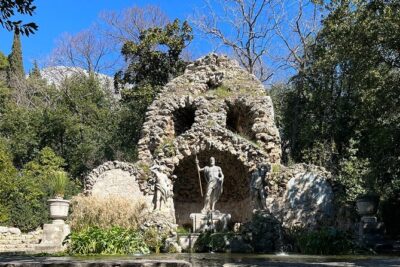
- Onofrio’s Large Fountain stop, paired with Franciscan friars and medieval medicine
- Pile area and the western old-city entrance, for a less obvious start than the main flow
- Southern old-town streets before Stradun, where criminal cases bring the history alive
- Executioner’s house and the old synagogue, quick sights that add real context before the final approach
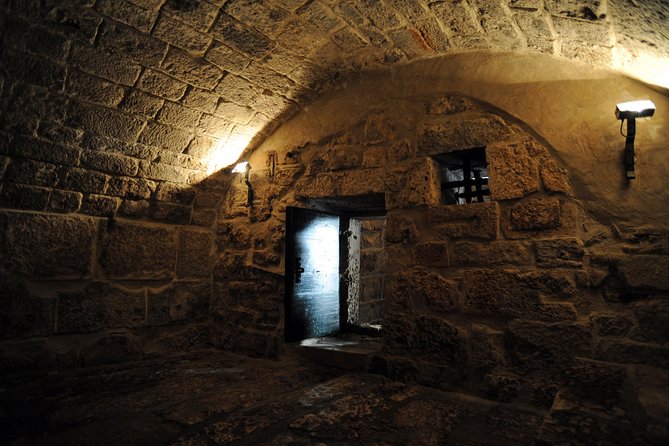
- Rector’s Palace courtroom and prison cells, plus time afterward in the museum area (entry not included)
Entering the story from Pile, not Stradun
The tour meets at Ulica Dante Alighieri in the Pile area. Starting there matters because you are not beginning from the obvious tourist spine. You head straight toward Gradac Park, then later you move through the western entrance into the old city, which helps you get your bearings in a way a map can’t do.
It runs in the evening, around 7:00 pm, and that timing is useful. Dubrovnik’s streets can feel like a filter over the day, then at night you get more breathing room to hear explanations without everyone rushing past you. The tour is designed for small, focused movement, and it is private, so it is only your group.
A moderate amount of walking is part of the deal. Comfortable shoes are the smart move because the route includes old-stone streets, plus short time at each stop rather than long, seated museum breaks.
Gradac Park: the executions that set the moral stakes
The first stop is Gradac Park, reached quickly after you meet on Dante Alighieri street in Pile. This is where public executions were carried out, and the guide uses that reality to frame what comes next. I like that you do this early, because it turns the rest of the walk into more than just interesting facts.
This stop is about 10 minutes, and there is no admission ticket required. Short and free is nice, but it is also a sign the tour is about context, not rushing through a formal attraction. Even if you are not a “dark history” person, the place anchors the theme: Dubrovnik enforced its rules in public, so punishment was part of the city’s everyday drama.
Possible drawback: if you are sensitive to graphic or upsetting topics, this is the moment you will feel it most. The tour is not vague about what happened here, so go in knowing you are signing up for crime and punishment, not just legal architecture.
Pile streets and the western entrance, how the city hides its angles
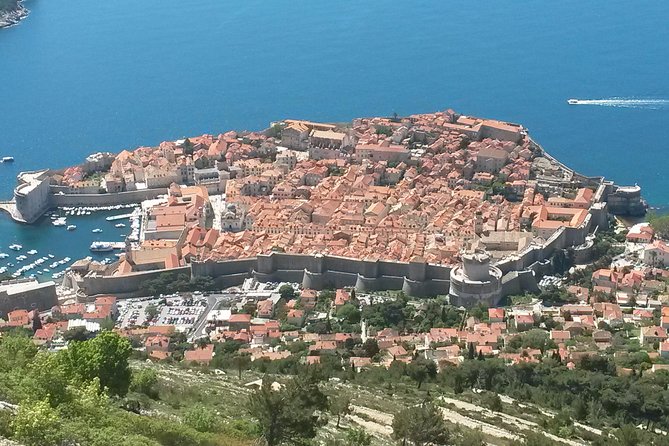
After Gradac Park, you walk through the Pile area and reach the western entrance to enter the old city. This segment may sound like simple transit, but it actually helps you read Dubrovnik like a place people lived and navigated, not just a walled backdrop.
I find that arriving into the old town from the western side gives you a different first impression of street width, sightlines, and how quickly the city can funnel people toward the main walkway later. It also makes the later stops feel connected, because you can sense how you are moving through zones, not just hopping between landmarks.
If you get even a little tired walking uphill or on uneven stone, this is a good moment to take it slow for a few minutes. The guide keeps the pace comfortable overall, but old-town terrain does not care about schedules.
- Dubrovnik: Epic Game of Thrones Tour + Lokrum & Saver Option
★ 4.9 · 5,995 reviews - Dubrovnik: Old Town Walking Tour
★ 4.8 · 5,174 reviews - Dubrovnik: The Original Game of Thrones Tour & Lokrum Option
★ 4.8 · 5,064 reviews - Dubrovnik Game of Thrones Tour & Optional Lokrum Island Visit
★ 5.0 · 4,702 reviews - Dubrovnik Discovery Old Town Walking Tour
★ 5.0 · 4,458 reviews
Onofrio’s Large Fountain and the friars, when medicine meets authority

Next you stop at Onofrio’s Large Fountain, also about 10 minutes with free admission. The story here is not just about water. You learn about the Franciscan friars and their medieval medicines, which adds a surprisingly practical layer to the tour theme.
Why this matters for your understanding: if you only focus on courts and punishment, you miss that societies also treated illness, kept order, and managed daily life in messy times. Bringing friars and medicine into the same narrative as crime helps you see punishment as one part of a broader system. People did not live only by laws; they also lived with care, fear, and survival strategies.
This stop also works as a mental reset. It is still history, but it gives your brain something else to hold besides trials. If you like connecting social history to physical places, this is one of the smarter moments.
Before the Cathedral: criminal cases in the southern old town

As you move forward, you explore streets in the southern part of the old town. This portion is designed to lead you into intriguing criminal cases before you reach the Cathedral area.
This is where I think the guide’s storytelling skill matters most. The tour is not only pointing at places, it is linking those places to specific types of problems the city dealt with. When it works well, it makes you look at a street and think, someone stood here with a fear, a rumor, a charge, or a consequence.
Drawback to watch for: because this segment is about cases, it may feel less visually obvious than the palace or a major fountain. If you want every minute to come with a famous facade, you might feel slightly more “listening heavy” here. Still, it is the best way to understand the city’s legal atmosphere as something that happened in real neighborhoods.
The old port pass, trade routes and trouble
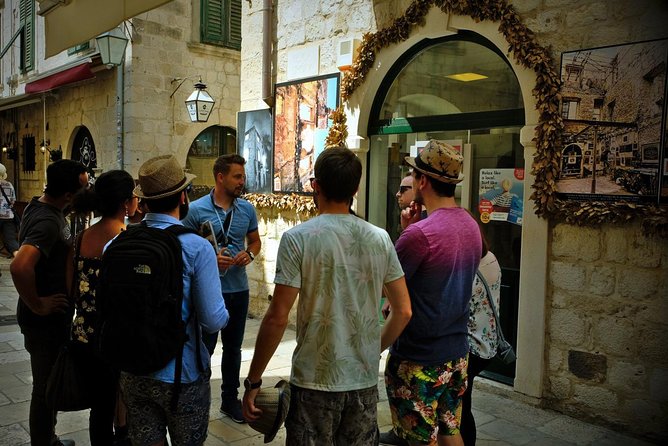
You also pass through the old port on the way. The tour uses this transit area as another narrative cue, reminding you Dubrovnik was shaped by movement, trade, and the mix of people that created both opportunity and conflict.
Even if you do not get a long stop here, the port pass helps the story feel grounded. Crime and punishment are not only courtroom events. They connect to what a city attracts and how it regulates what comes in, what goes out, and who belongs.
This also keeps the route from feeling like a straight line. You get small changes in setting that help you mentally reset between heavy stops.
Executioner’s house, old synagogue, then Stradun’s pull

Before reaching the main street Stradun, you see two major context sights: the executioner’s house and the old synagogue. This is a good sequence because it broadens the punishment story beyond trials.
The executioner’s house is the physical reminder that enforcement needed specific roles, not just paperwork. It answers a hidden question: who did the work, who profited, who feared them? Then the old synagogue adds a cultural layer that changes how you interpret the city’s legal and social structure. It signals that Dubrovnik’s “order” was lived across different communities and identities.
After Stradun, you proceed toward the end point at Rector’s Palace. Stradun is the main corridor most people already know, but by the time you reach it, you have a different lens. The street is not just scenic now. It feels like a stage where the city’s system met daily life.
Rector’s Palace: courtroom and prison cells in one place
The final stop is Rector’s Palace, where you spend about 15 minutes. Admission for the Palace is not included, so plan on separate entry if you want to see everything you could. Even within that short guided time, the focus is specific, and I like that.
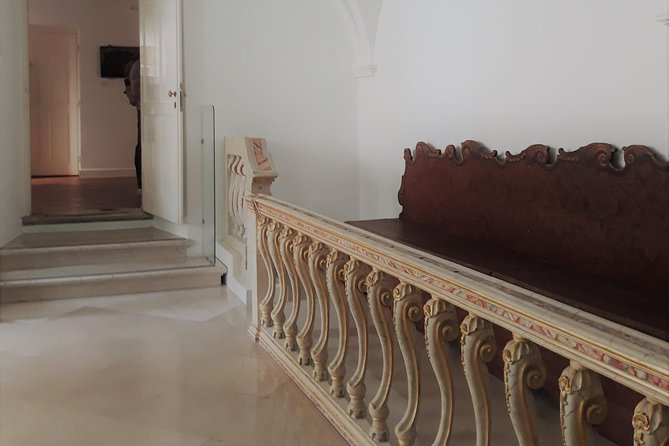
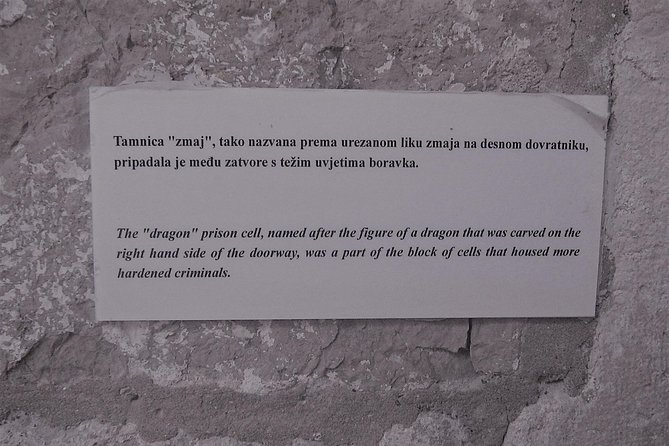
You go through the old courtroom and the prison cells, then you end in the atrium. That walk through legal spaces makes the earlier street stories click. It is hard to explain Dubrovnik’s approach to justice without showing where decisions were made and what confinement meant.
After the tour, you can continue exploring on your own to see the cultural-historical museum of Dubrovnik. This is a smart option because it turns the tour into a guided set of chapters, and you choose how many follow-up pages you want to read.
Possible drawback: the guided portion inside the palace is short, so if you love museums and need time to absorb details, you will want to budget extra after the tour. You will also need to manage entry cost since it is not included.
How the walking tour actually feels, pace, group size, and timing
This is a private, English-language walking tour. Private matters because crime history can feel intense, and having only your group keeps the questions and pace more natural. One review-style detail to keep in mind from the way people talk about it: when the group is small, the experience becomes very personal very fast. That can make the storytelling land better, especially when you are trying to follow complex timelines.
The walking is moderate, not a long-distance hike. You still need shoes with real grip. Old towns are slippery in spots, and standing around for explanations means you might be on stone for longer than you expect.
Starting at 7:00 pm is also a real factor. You are more likely to get calmer streets and a calmer soundscape. That helps when the guide is telling stories that you need to hear clearly, not just half-catch while people stream past.
Service animals are allowed, and the meeting point is near public transportation. So even if you do not want to fight parking, you have workable options to get there.
Price and value: is $144.49 fair for 1h 40m?
At $144.49 per person for about 1 hour 40 minutes, this is not the cheapest way to see Dubrovnik. But it can be good value because you are paying for three things the city itself cannot give you on a self-guided route.
First, you are paying for interpretation. The theme is specific, crime and punishment, and it takes a guide to connect Gradac Park, Onofrio’s Fountain, old street cases, and Rector’s Palace into one narrative. Second, you are paying for time-efficient routing. You get a structured evening walk that covers multiple key story locations without you building the plan yourself. Third, you are paying for a small-group feel, since it is private.
Where the value shifts is the Palace admission. Rector’s Palace entry is not included, so you should budget a bit extra if you plan to go beyond the guided walkthrough. Still, the guided parts hit courtroom and prison cells, which are the exact spaces you would want to see if you are focused on justice history.
If you like your Dubrovnik history in a dark, human way, this price can feel fair. If you only want top-level sights with minimal reading, you might find a general city tour gives better value.
Who this tour fits best, and who should skip it
This tour is a strong match if you are a history buff and you want a different lens on old Dubrovnik. You do not just walk walls. You walk the city’s rules, consequences, and community mix.
I also think it fits well for your last night in town. By that point, you have already seen Stradun from the usual angles. This gives you a sharper storyline to carry back to your hotel room.
Skip it if you dislike crime-related themes or you prefer purely scenic evenings. It is still respectful and educational, but the subject is inherently heavy, especially at the Gradac Park stop.
Should you book Crime and Punishment in Old Dubrovnik?
I’d book it if you want your Dubrovnik to feel specific, not generic. This is an evening walk that uses real locations connected to real enforcement, then ends with the Palace spaces where the system played out. You will learn how Dubrovnik’s complex past shaped what you see today, and you will likely look at the old city differently afterward.
I would hesitate only if you need a light, cheerful itinerary or you do not want to pay extra for Rector’s Palace entry. If those are deal-breakers, choose a different kind of tour.
FAQ
What time does the Crime and Punishment in old Dubrovnik tour start?
The start time is 7:00 pm.
How long is the tour?
It lasts about 1 hour 40 minutes.
Is the tour in English, and do I get a mobile ticket?
Yes, it is offered in English, and you’ll receive a mobile ticket.
Where does the tour meet, and where does it end?
It starts on Ulica Dante Alighieri (in the Pile area) and ends at Rector’s Palace, Ul. Pred Dvorom 3. The tour ends either inside Rector’s Palace or in front of it if you skip going inside.
Do I need to pay for tickets at each stop?
Admission is free at Gradac Park and Onofrio’s Large Fountain. Rector’s Palace admission is not included.
Is there free cancellation?
Yes, there is free cancellation. You can cancel up to 24 hours in advance for a full refund.